Pink Dolphin Snorkeling Tour 2026 Trip Report
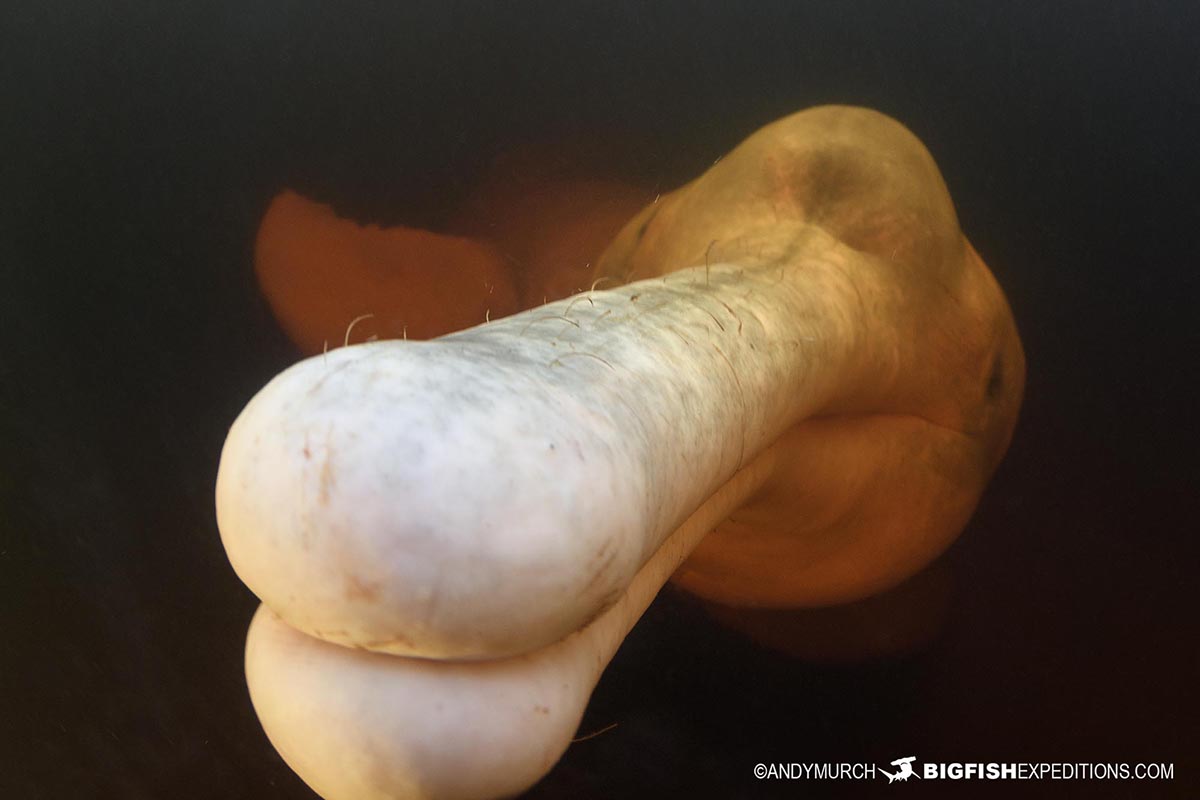
The most we saw was 8 dolphins at one time, and the above water wildlife encounters ticked all the boxes including multiple monkey species, three-toed sloths, caimans, and exotic birds, not to mention the sheer spectacle of viewing the incredible submerged Amazon Rainforest.
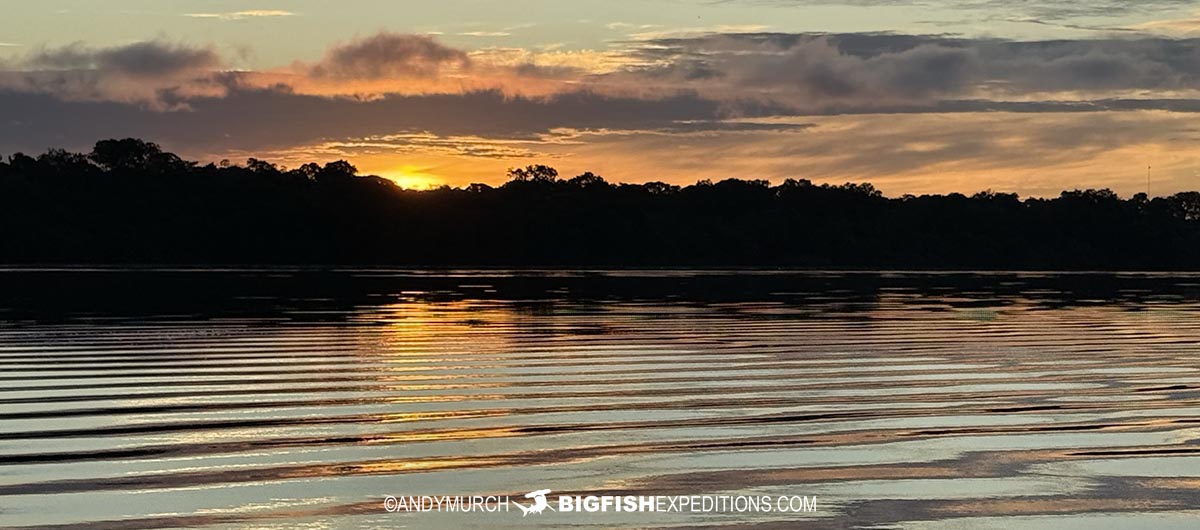
Up the Mighty Rio Negro
This stretch of the Rio Negro is unimaginably vast, especially when we go, at the end of the rainy season when the river rises more than ten meters, swallowing much of the surrounding forest in the process. Not far downstream, the Rio Negro joins the Amazon River; delivering 27 billion gallons of tea stained water into the already enormous Rio Amazonas every hour, creating the largest river on earth. To put it in perspective, the lower Amazon River is so immense that it is larger than the world’s next seven largest rivers combined.
Pink Dolphins
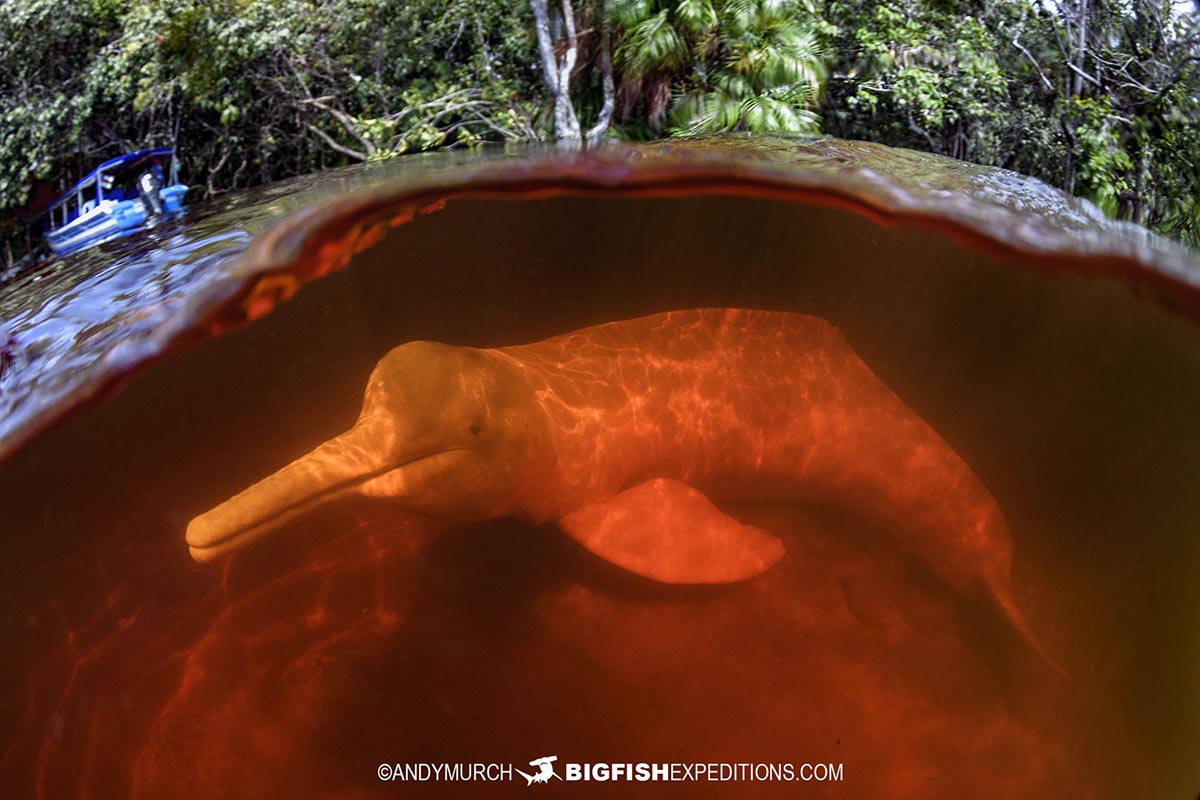
After an early breakfast we jumped in the boat and made our way over to a shallow sandy bay where the best dolphin interactions usually take place. As soon as we arrived we could see one or two dolphins slipping in and out of the submerged forest.
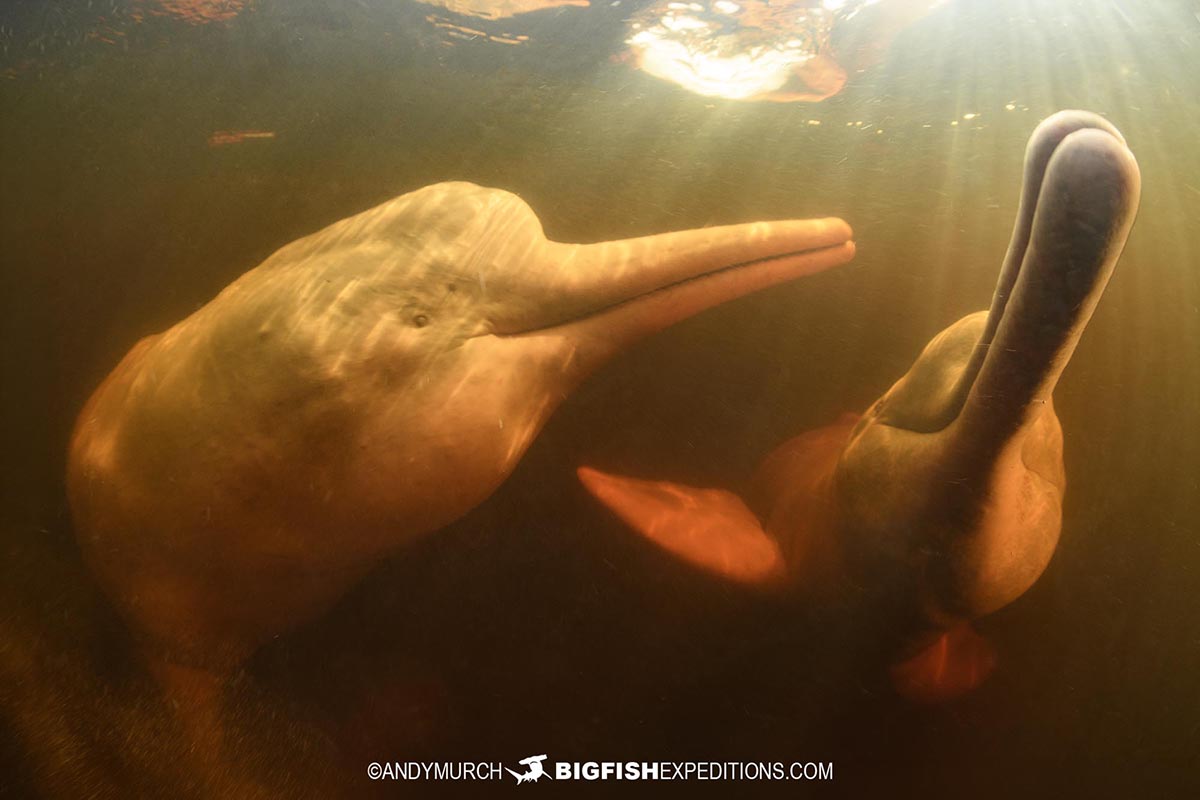
Habituated Dolphins
The dolphins visit this bay because for the last 20 years, a local family that live in a small wooden house on stilts at the edge of the bay, give them fishes. Pink dolphins are protected, but they have a special park issued permit to feed the dolphins. Sadly, elsewhere in the Amazon pink dolphins are illegally hunted for their meat which is used to bait catfish traps. The dolphins in this part of the Rio Negro are thriving because the locals appreciate their value for ecotourism.
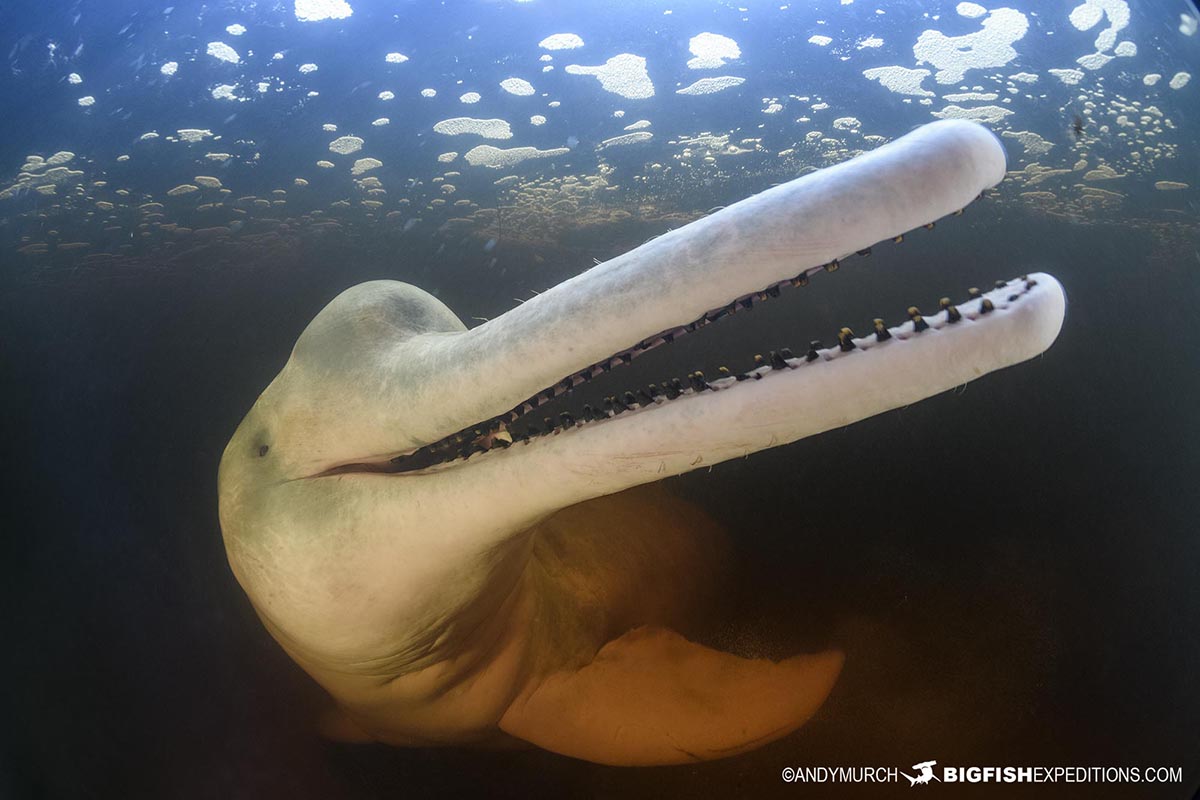
Consistent Dolphin Encounters in a beautiful setting
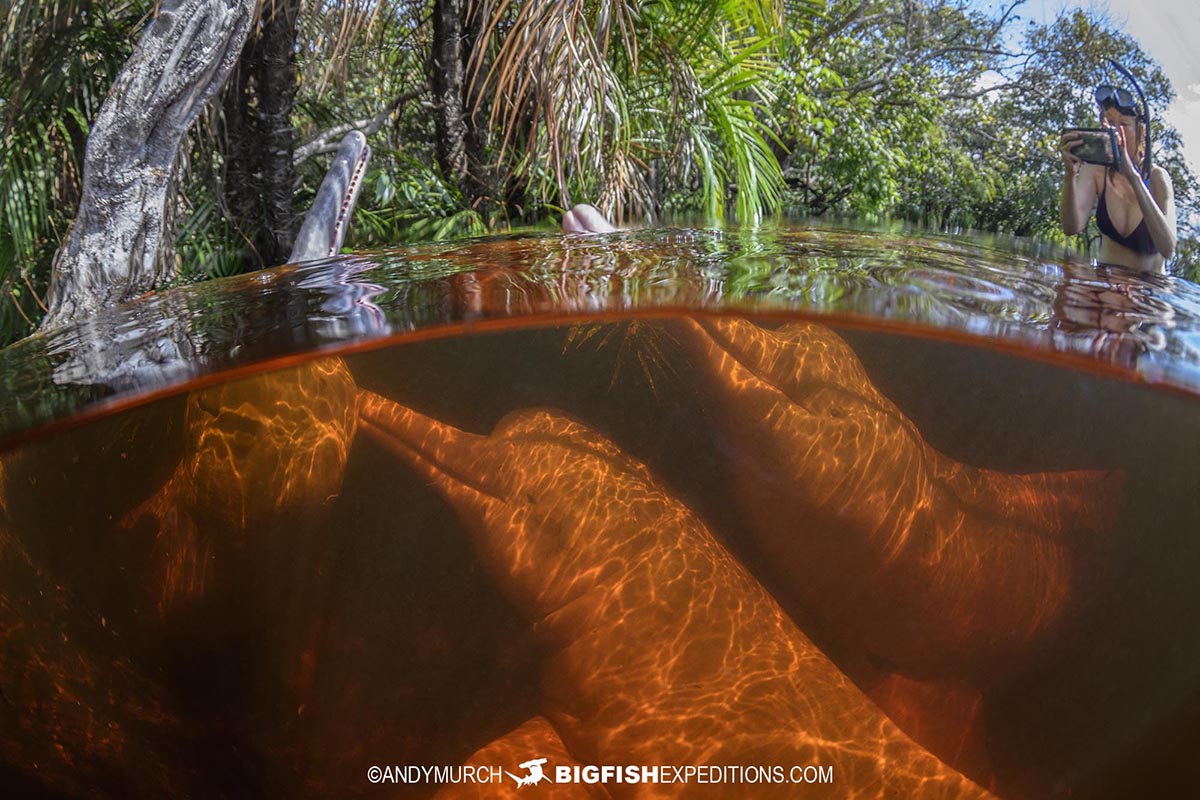
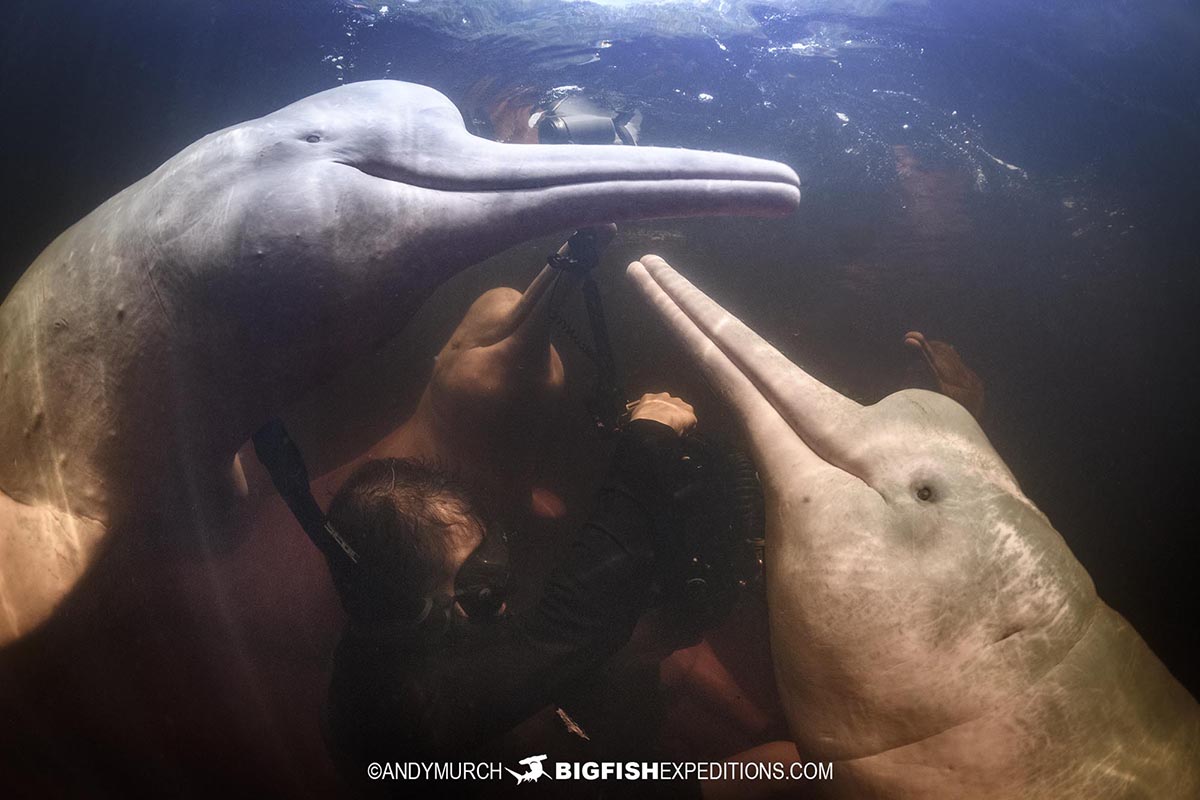
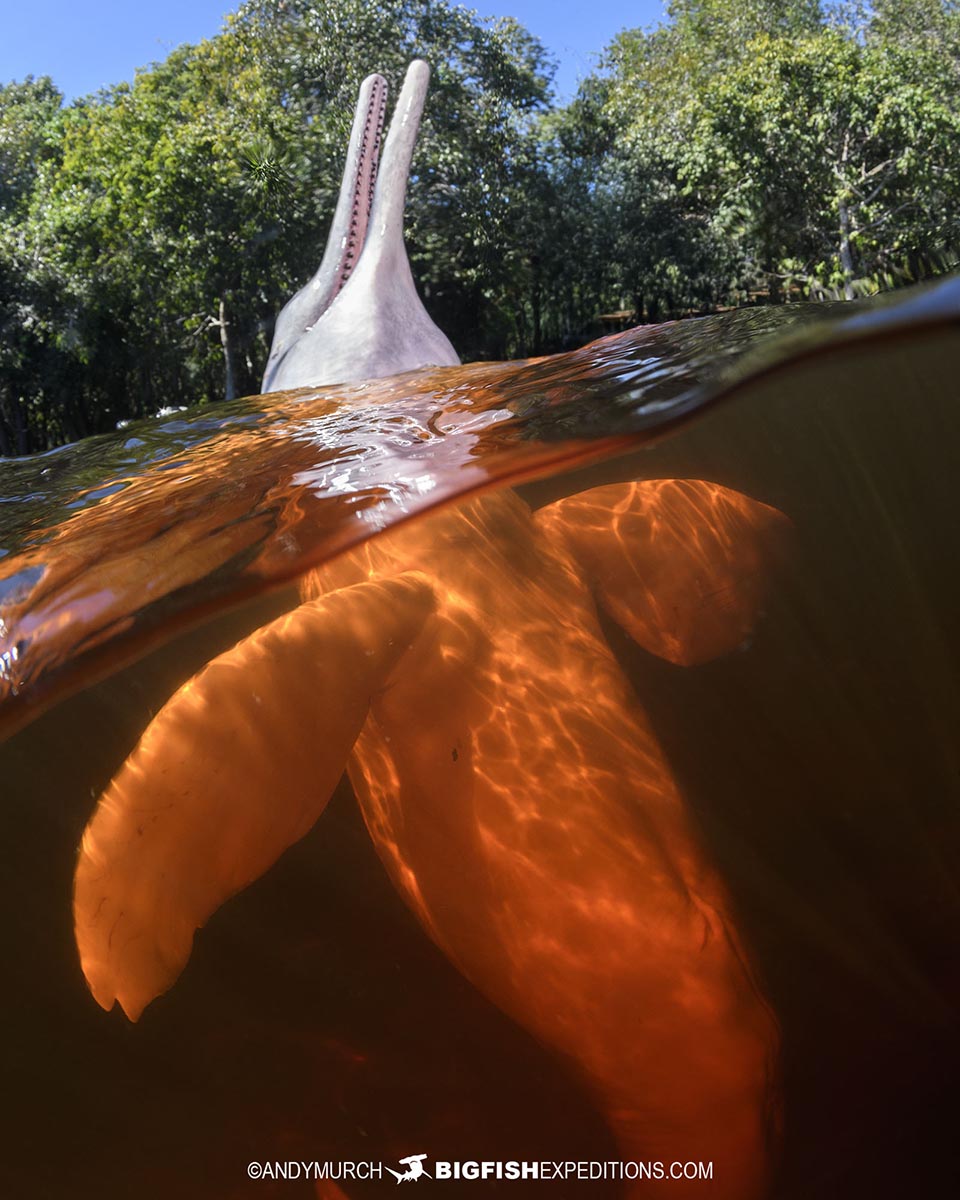
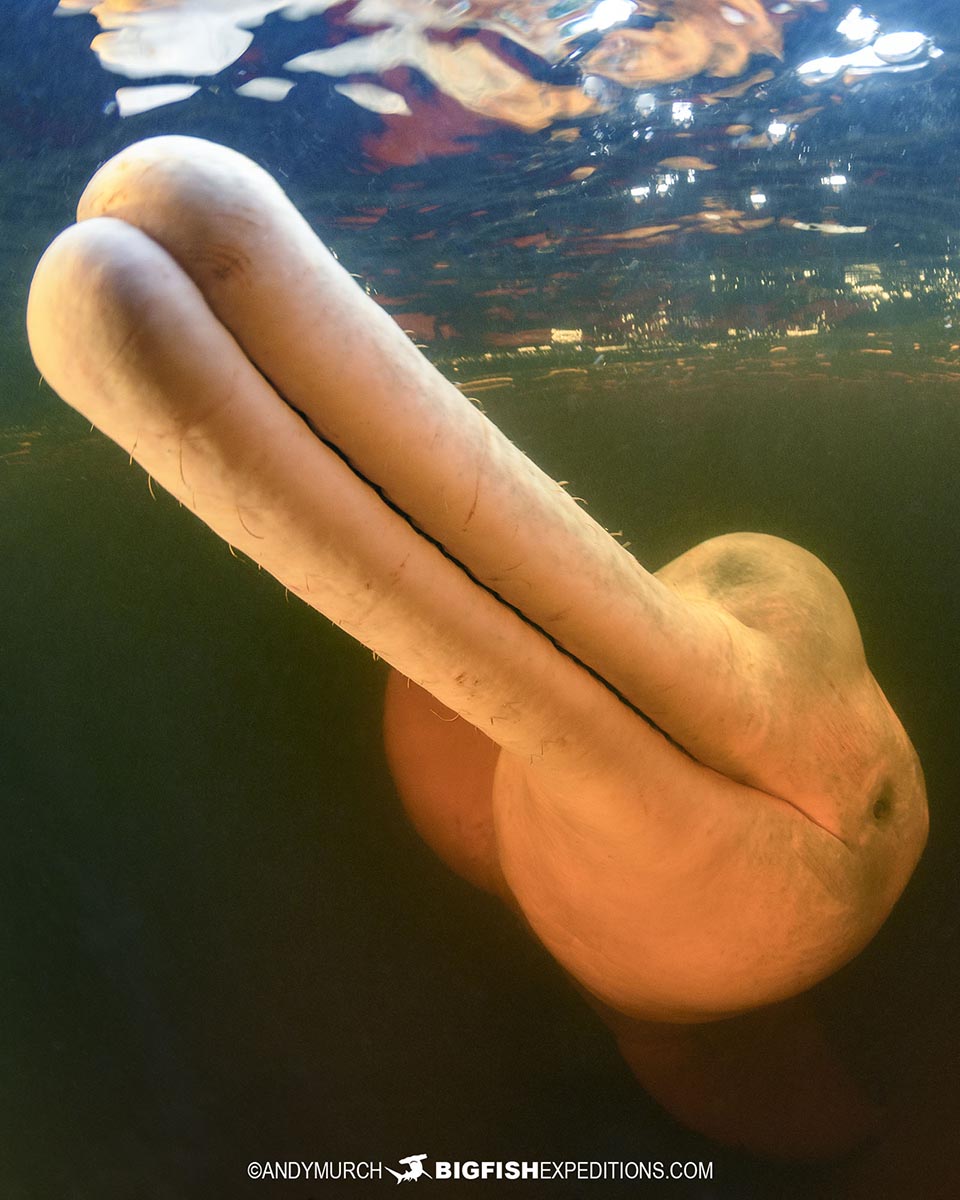
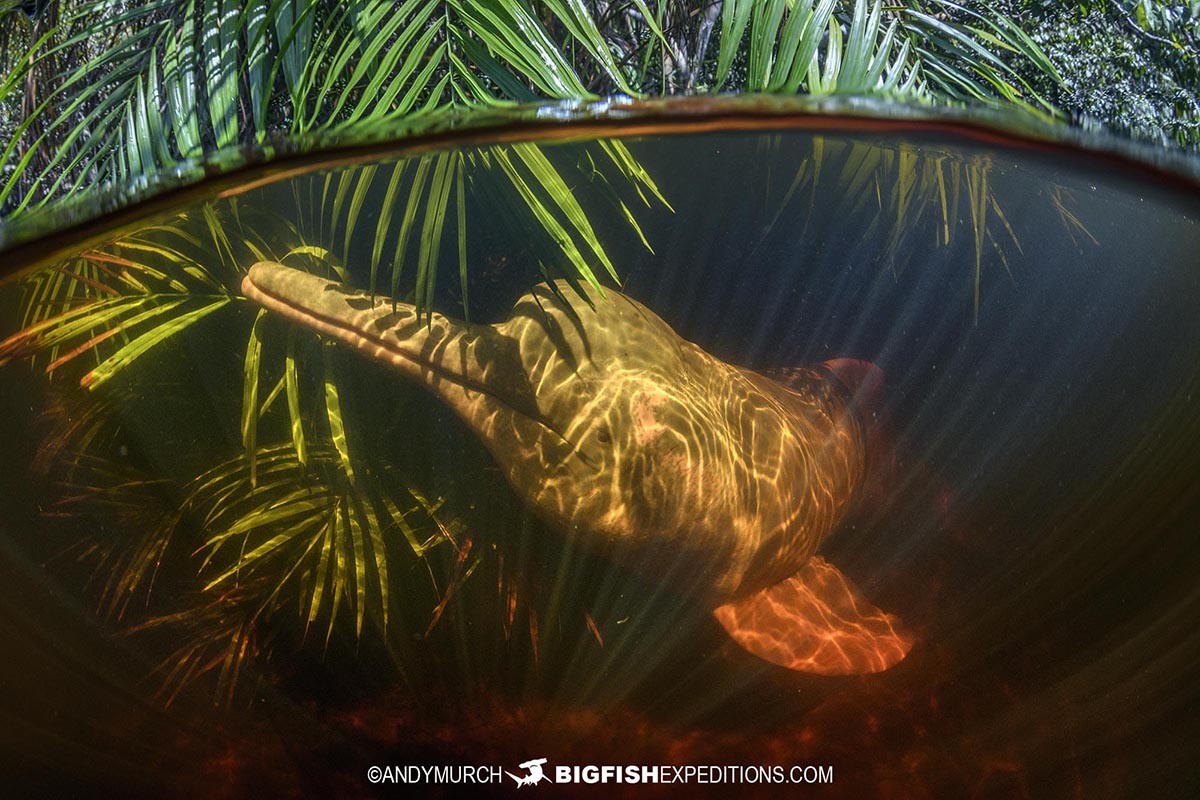
We encountered up to eight pink dolphins in the bay. The would swim in and out of the flooded forest which gave us ample opportunities to photograph them from many different angles including split shots with the Amazon forest in the background.
Terrestrial Animals
We fell into the pattern of spending the entire morning with the dolphins, returning to the lodge to eat lunch overlooking the river, and then venturing out in the afternoon with topside cameras in hand and exploring the narrow channels through the forest in search of primates and other terrestrial animals.
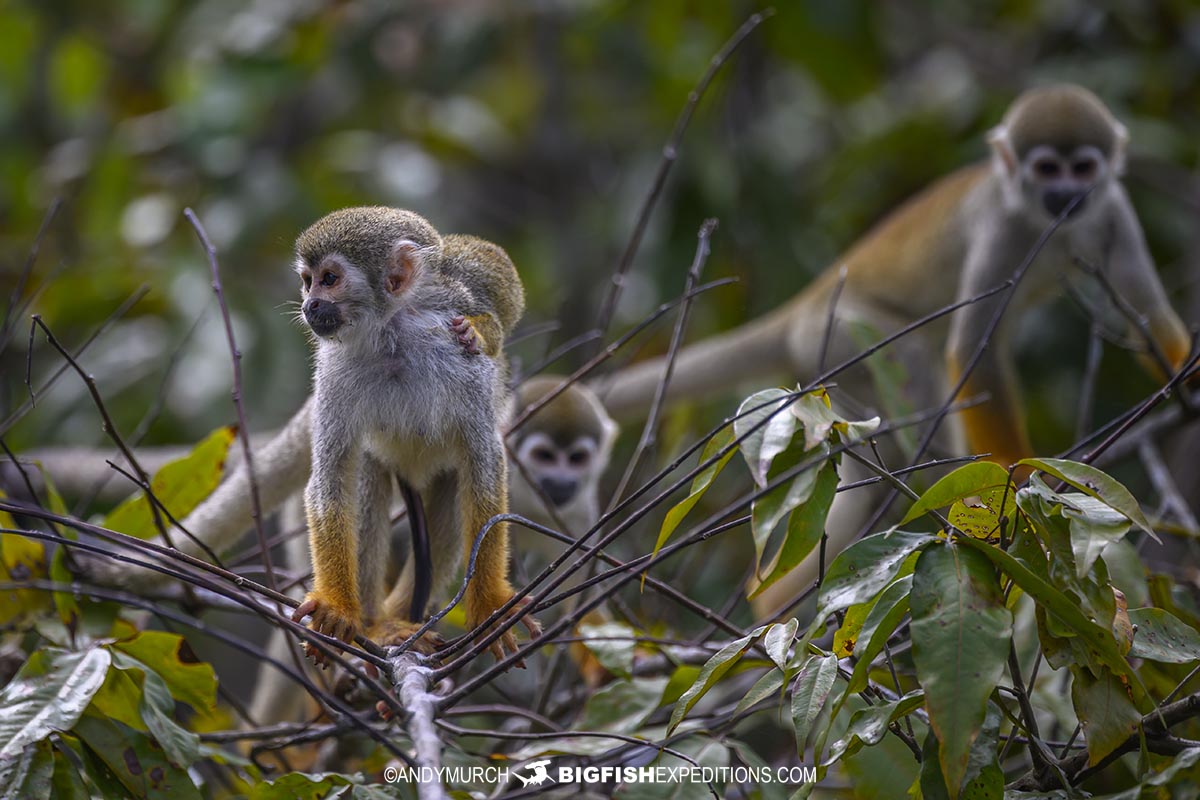
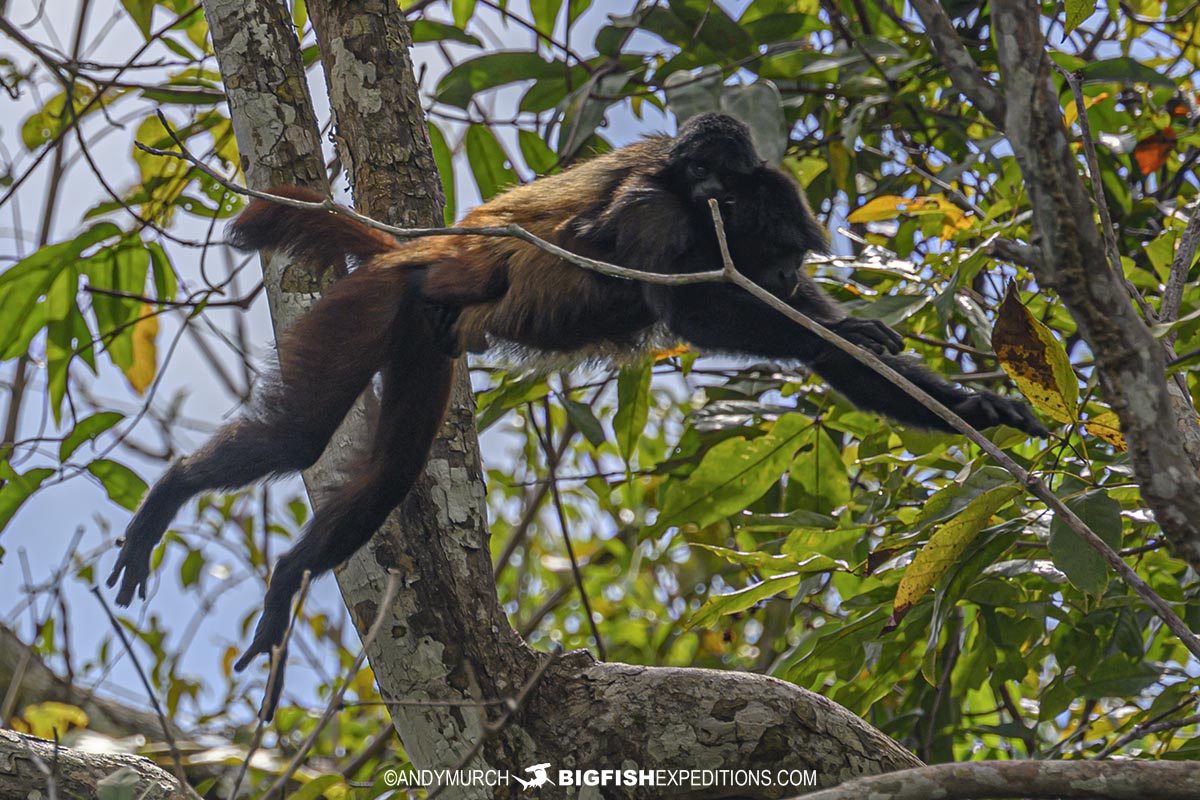
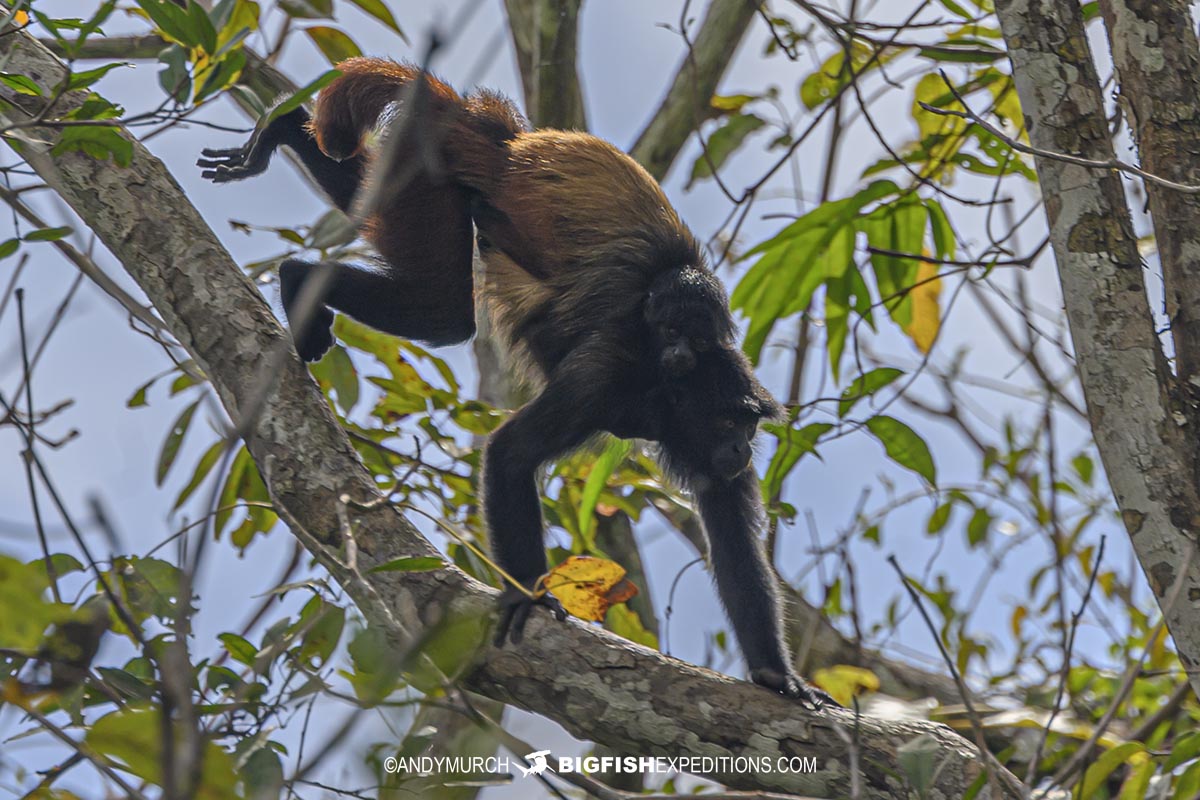
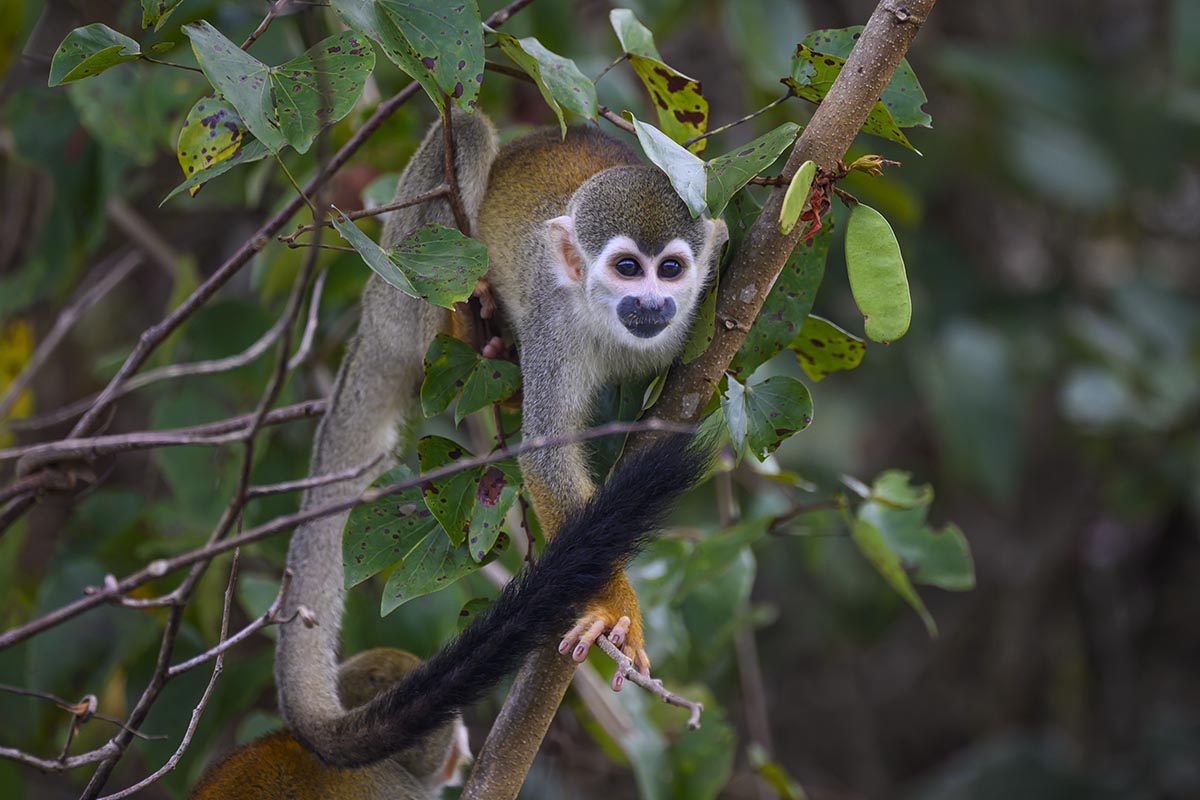
The most common species we encountered were Furry Eared Squirrel Monkeys; arguably the prettiest primates in this part of the Amazon. We also saw (and heard) troops of Howler Monkeys high in the canopy, and one day we came across a troop of Golden backed Uakaris which the locals consider to be very rare monkeys, but we have been lucky enough to see two years in a row.
Amazonian Birds
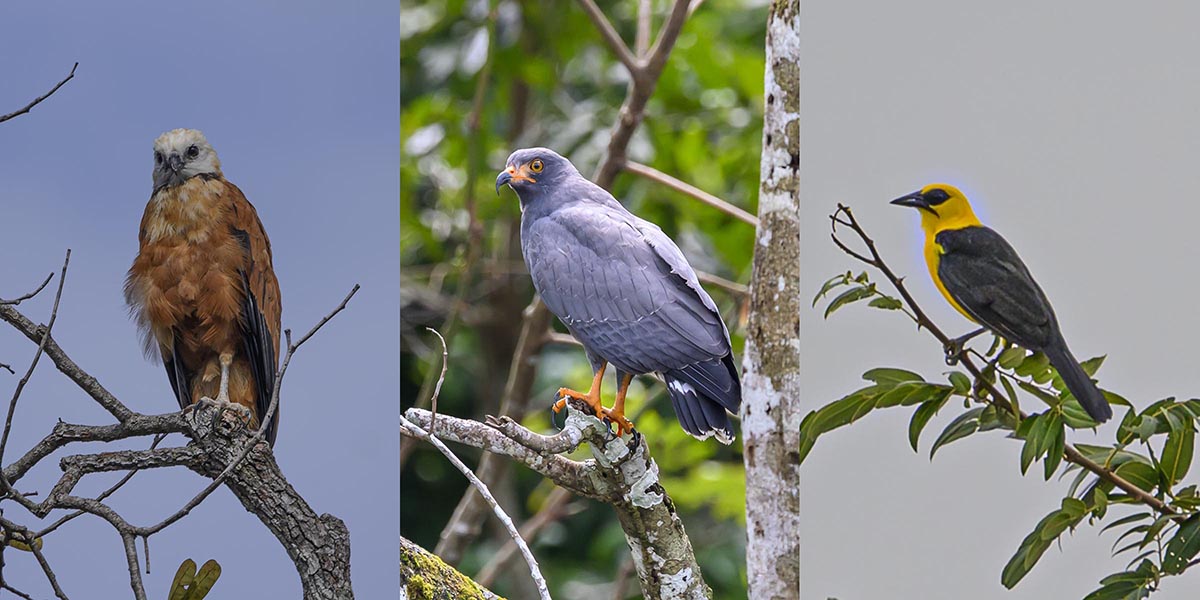
The bird life in the un-submerged portion of the forest was excellent. Our local guide is a fanatical birder that pointed out dozens of Amazonian species. We saw toucans, macaws, and parakeets flying overhead, and numerous raptors perched on the tree tops as well as many small colourful species that were a little too small for the lenses I had with me, but still really enjoyable to see.
A life of sloth
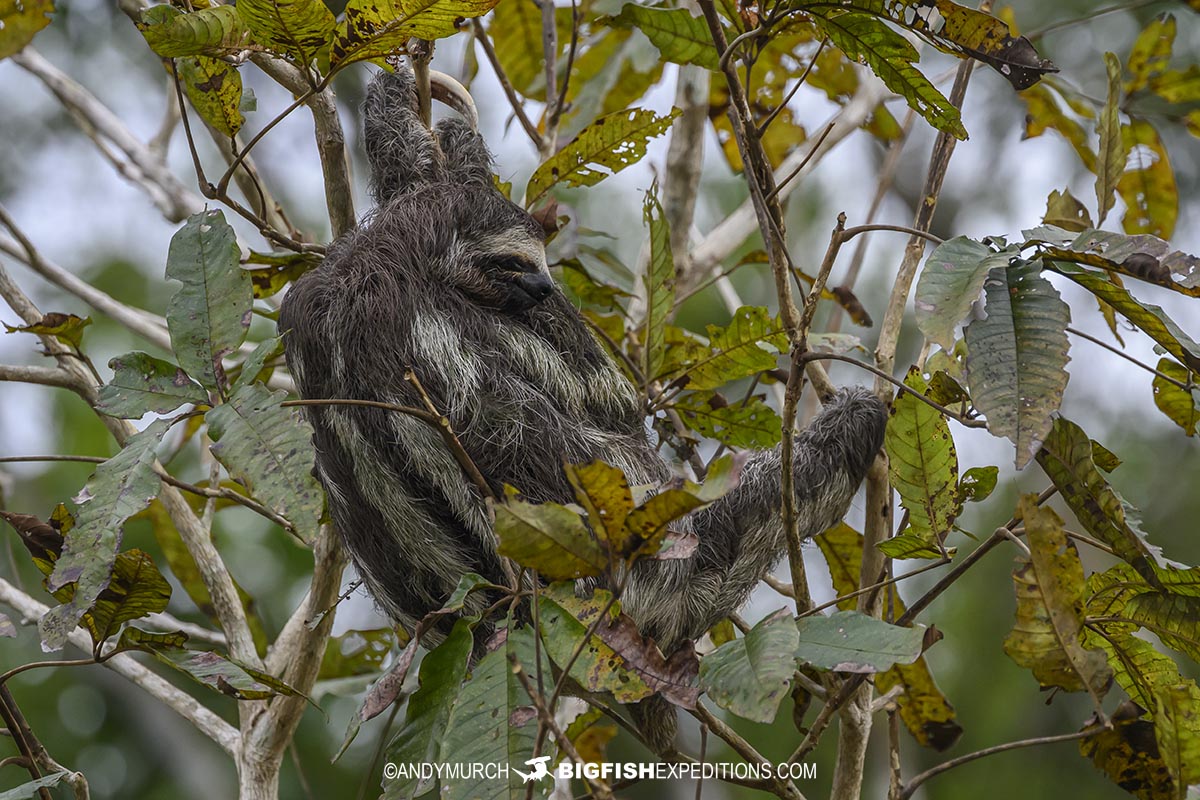
We also came across numerous brown-throated three toed sloths nonchalantly hanging from high branches by their finger nails. Three toed sloths are widespread throughout much of Central America and northern South America, but the flooded Amazon is an especially good place to see them out in the open.
Tucuxi Dolphins
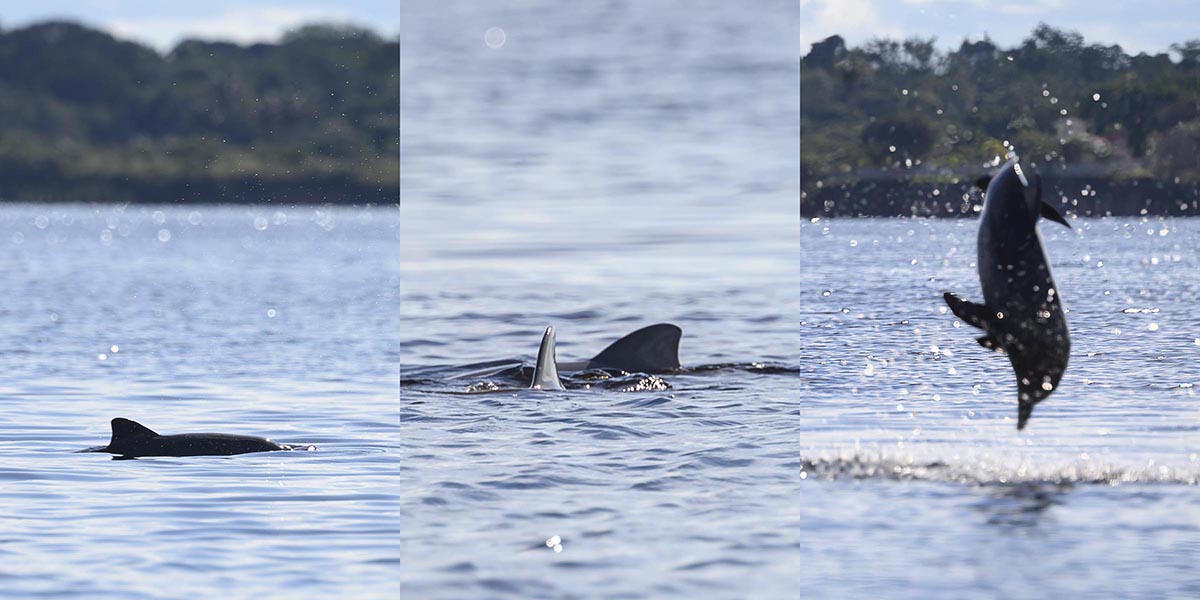
The other cetacean species we saw each day in the river was Tucuxi Dolphins. Unlike pink dolphins, Tucuxis are descended from Ocean Dolphins. They do not have the flexibility of their pink cousins so they avoid the submerged forest and hunt in the main channel where they are less likely to get entangled. Generally a more aloof species, they are impossible to photograph underwater, so we were limited to short glimpses of them porpoising in the channel as went back and forth from the lodge.
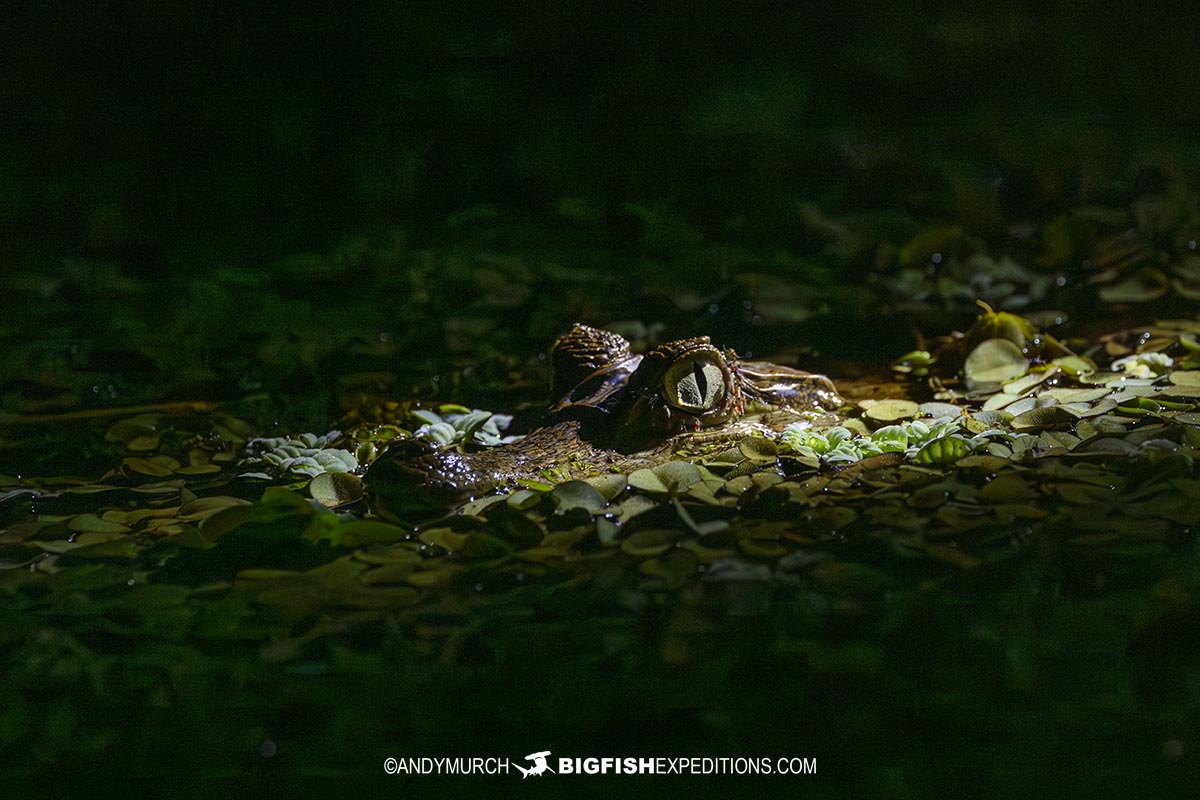
Spectacled and Black Caimans
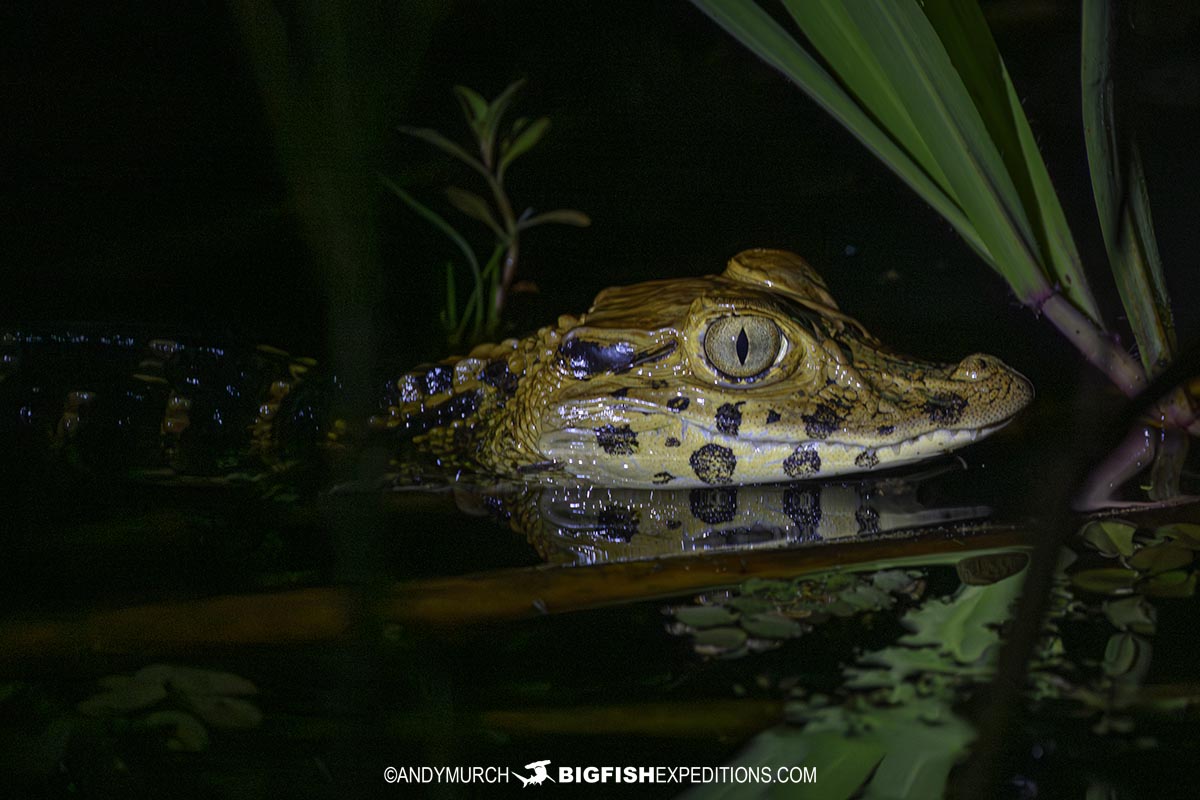
One afternoon we stayed out until after dark so that we could look for caimans. The best way to fin them is to shine a light towards the bank until you see their eyeshine. Most of the caimans we saw were juvenile spectacled caimans, but we think we saw a small black caiman as well.
Pink Dolphins in Golden Sun Rays
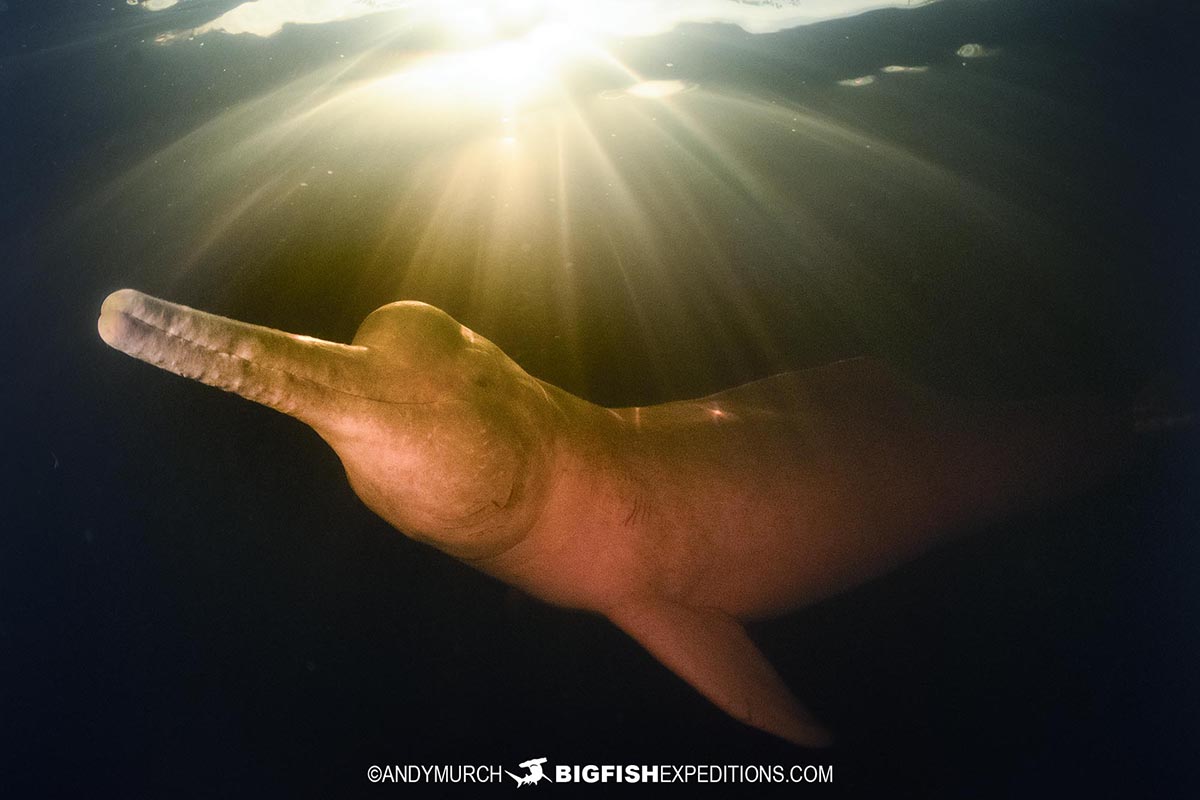
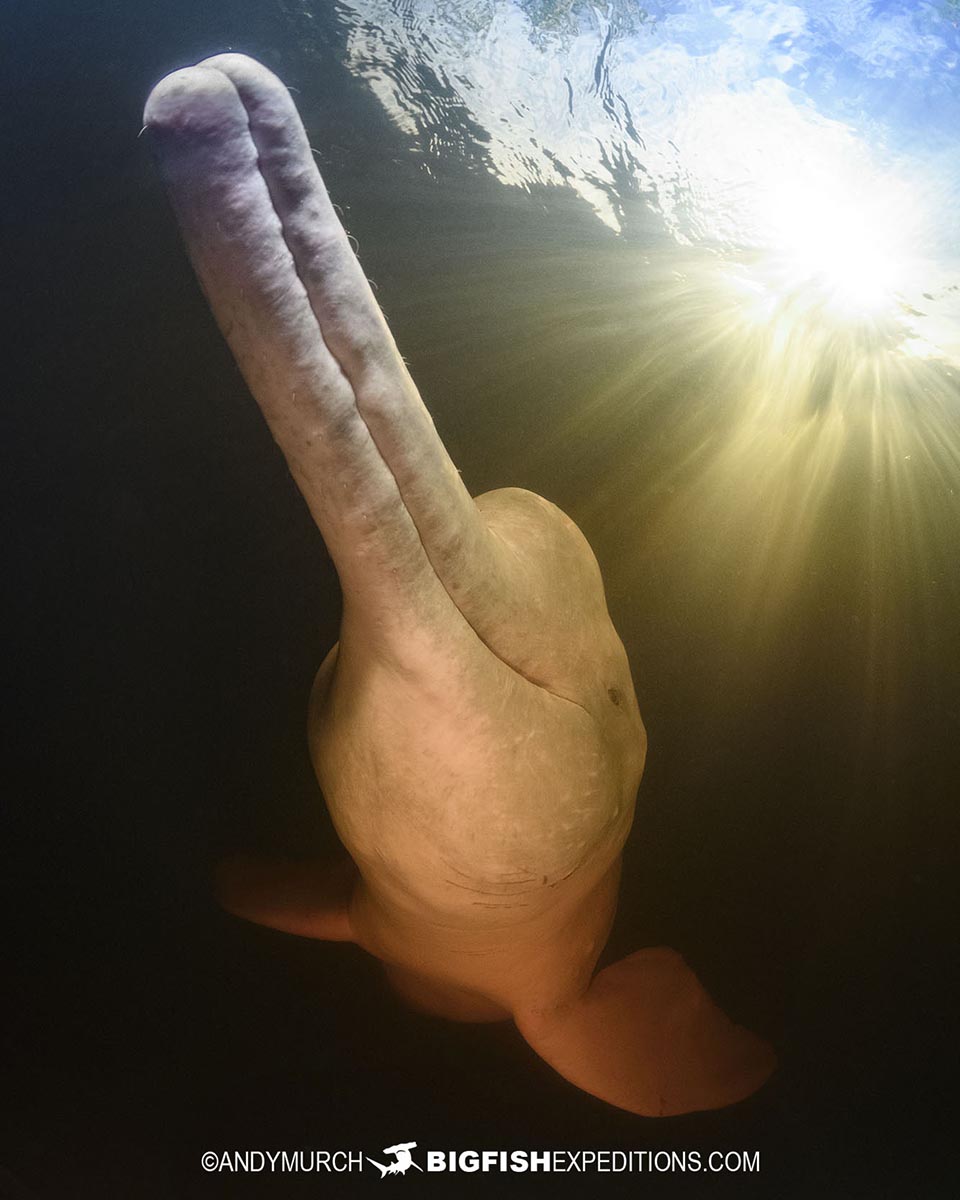
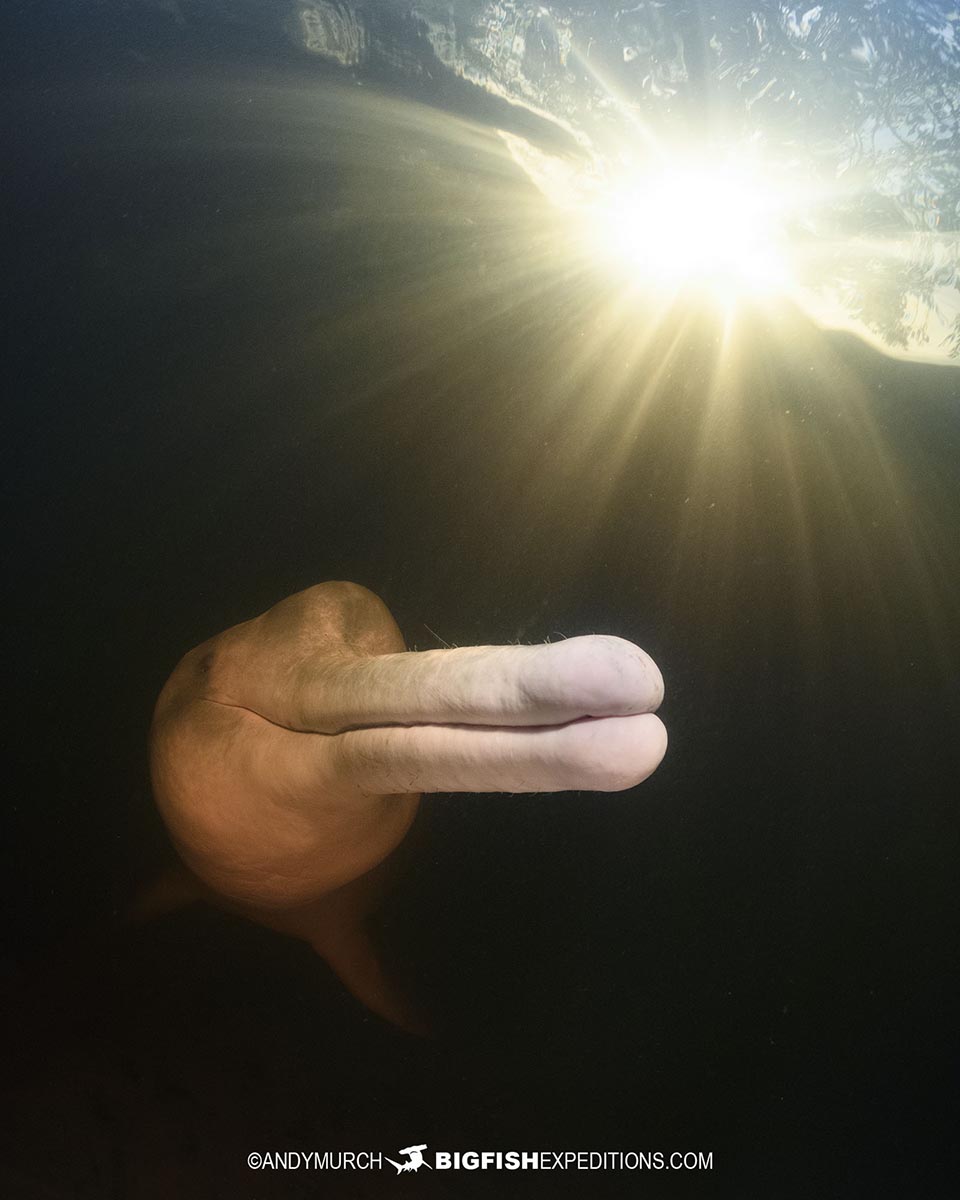
One day we decided to mix it up by looking for terrestrial animals in the morning and visiting the pink dolphins in the afternoon. This turned out to be a fantastic opportunity to photograph dolphins surrounded by dramatic shards of late afternoon sunlight piercing through the tea stained water.
The Journey Home
Even though we had spent many hours each day photographing pink river dolphins, we were sad to say goodbye to these playful animals, but eventually we had to make our way back to Manaus.
Everyone was thrilled with the trip, with many of our guests saying it far exceeded their expectations. Next year we will return to the Amazon for two more pink dolphin trips. If you would like to join us, we are sure you’ll love this encounter! Pink Dolphin Snorkeling Tour in the Amazon