Our 2026 Humpback Whale Snorkeling Expedition
Time with the whales
by Jennifer Idol
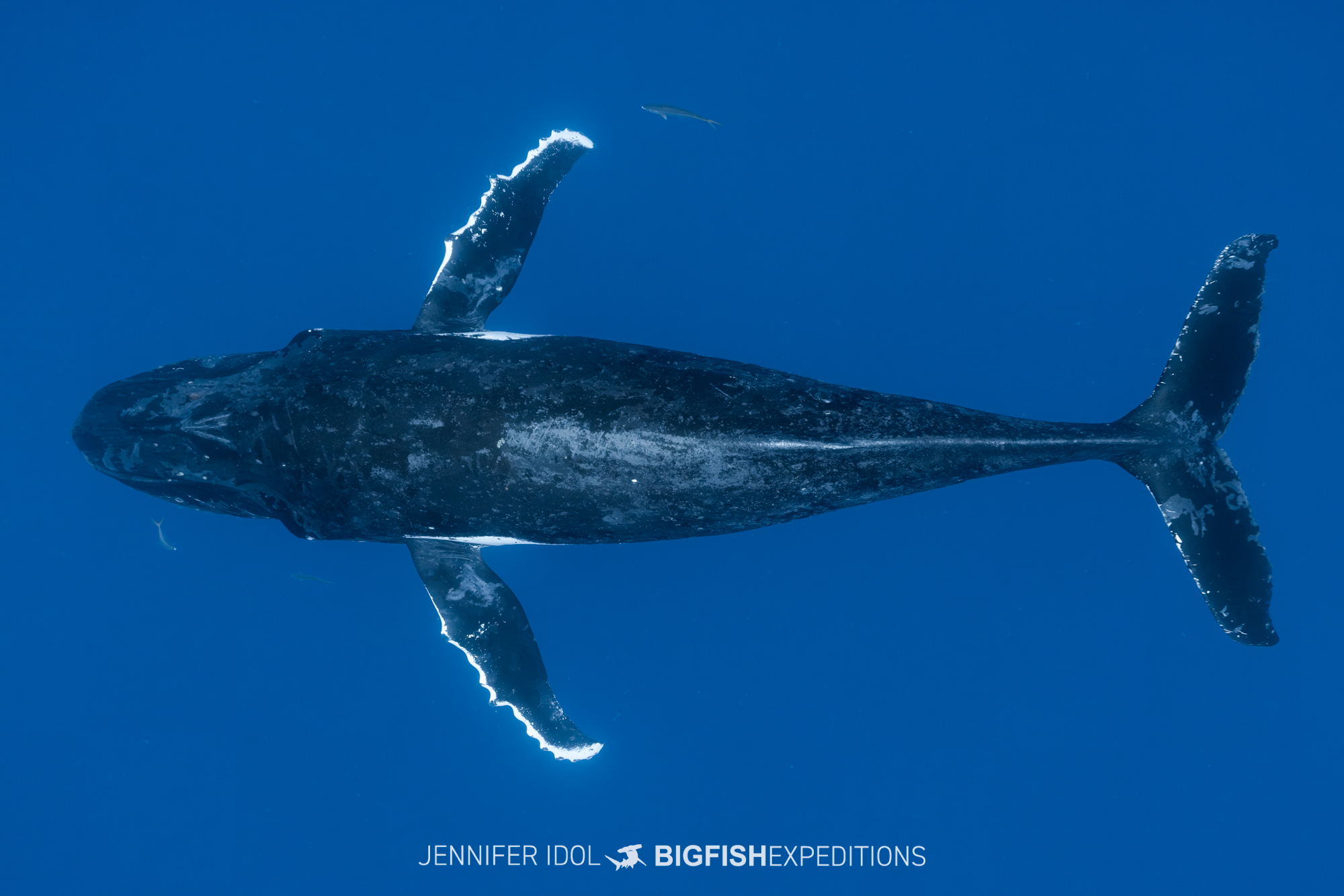
I spent September leading our Big Fish Expeditions trips around Rurutu, a remote island in French Polynesia. Across the weeks, we encountered mothers with large calves, accompanying escorts, resting whales, and plenty of activity at the surface. Each group of whales brought something different, giving us opportunities to observe their behavior and appreciate this part of their lives before the long journey back toward Antarctic feeding grounds.
Sharing those encounters with our guests made the month especially rewarding. Over each week, our groups grew more comfortable in the water and more familiar with the whales’ behavior. Learning how to move quietly, where to position ourselves, and what to watch for helped everyone get more from the experience.
There is so much to take in when you have time to watch.
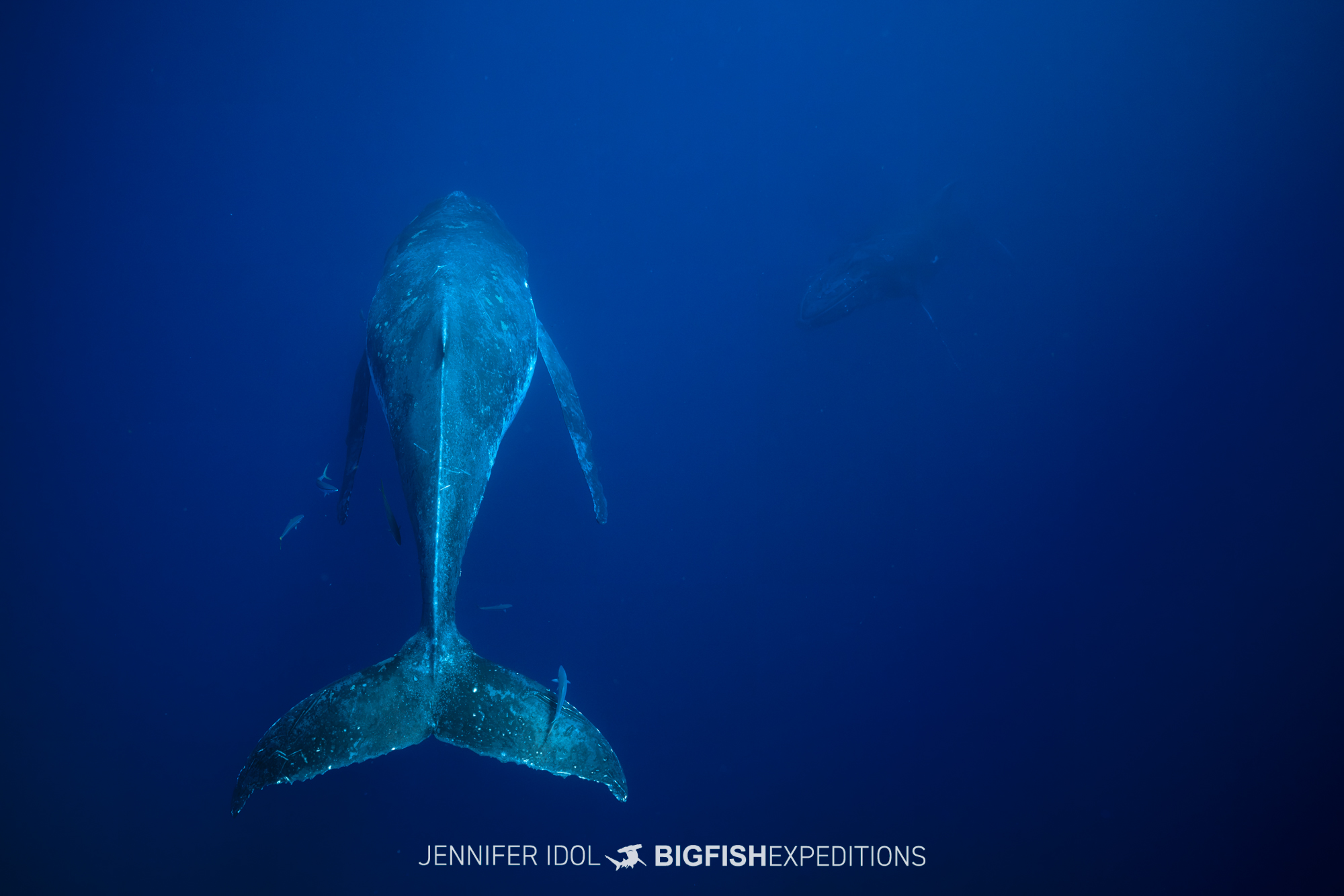
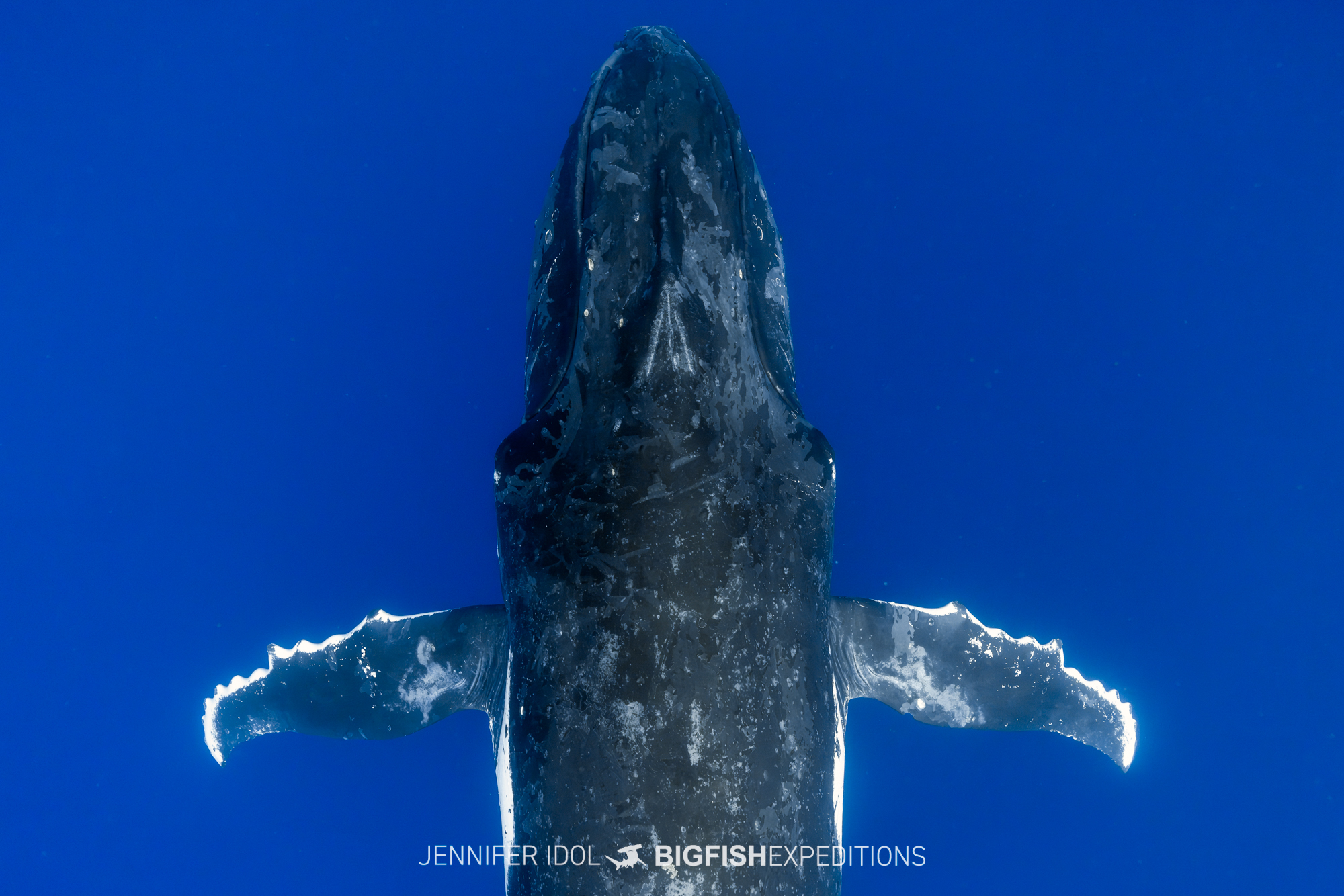
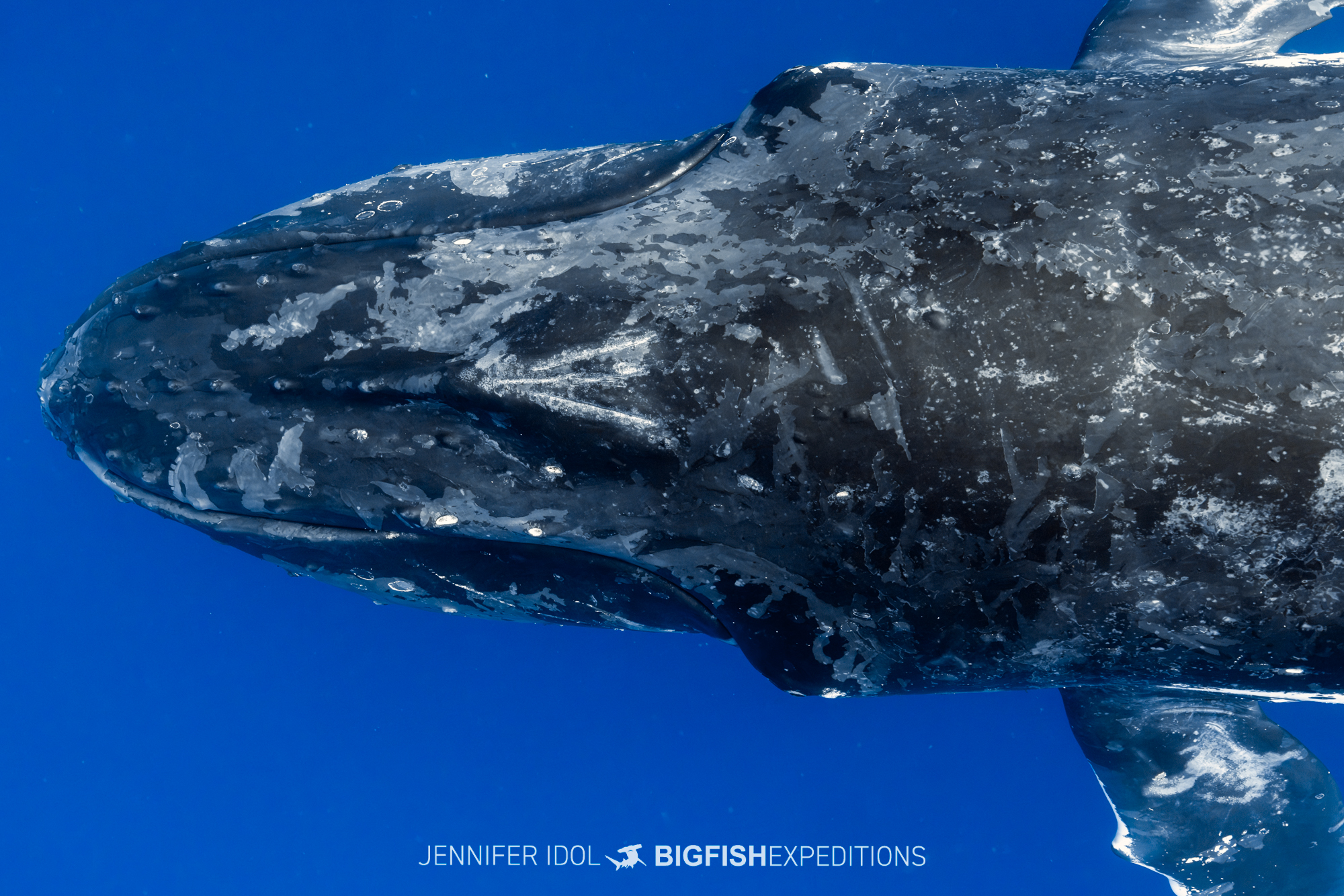
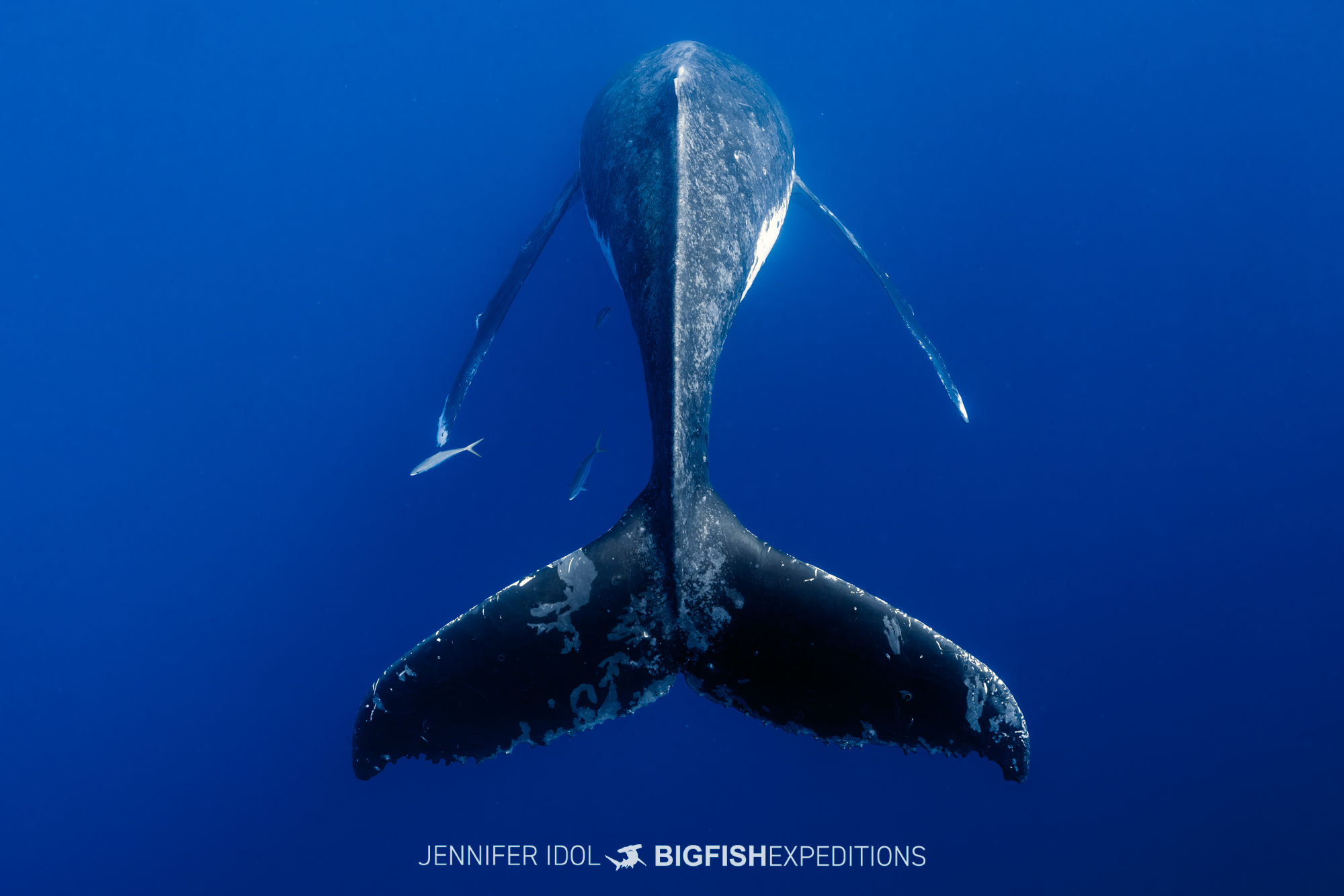
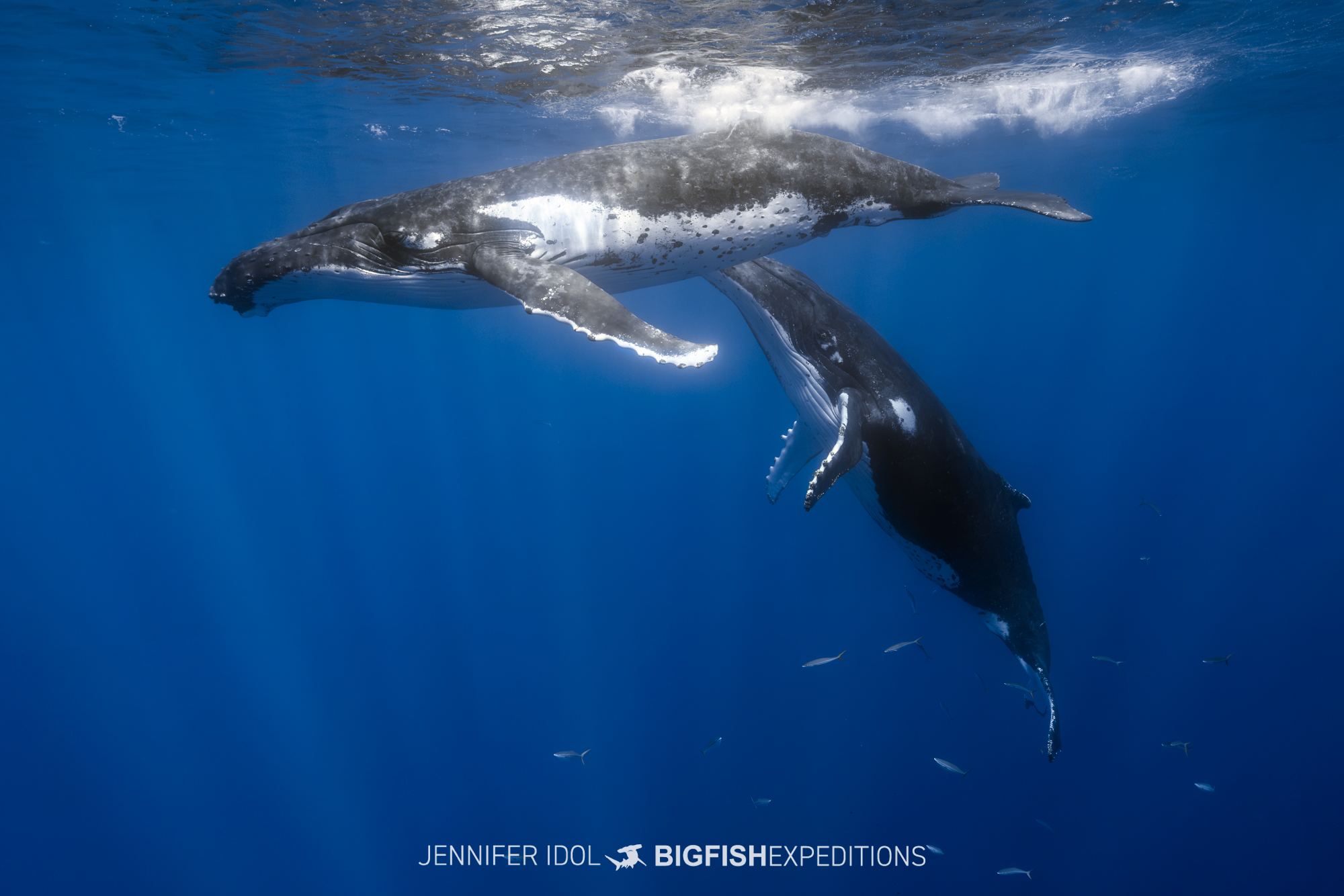
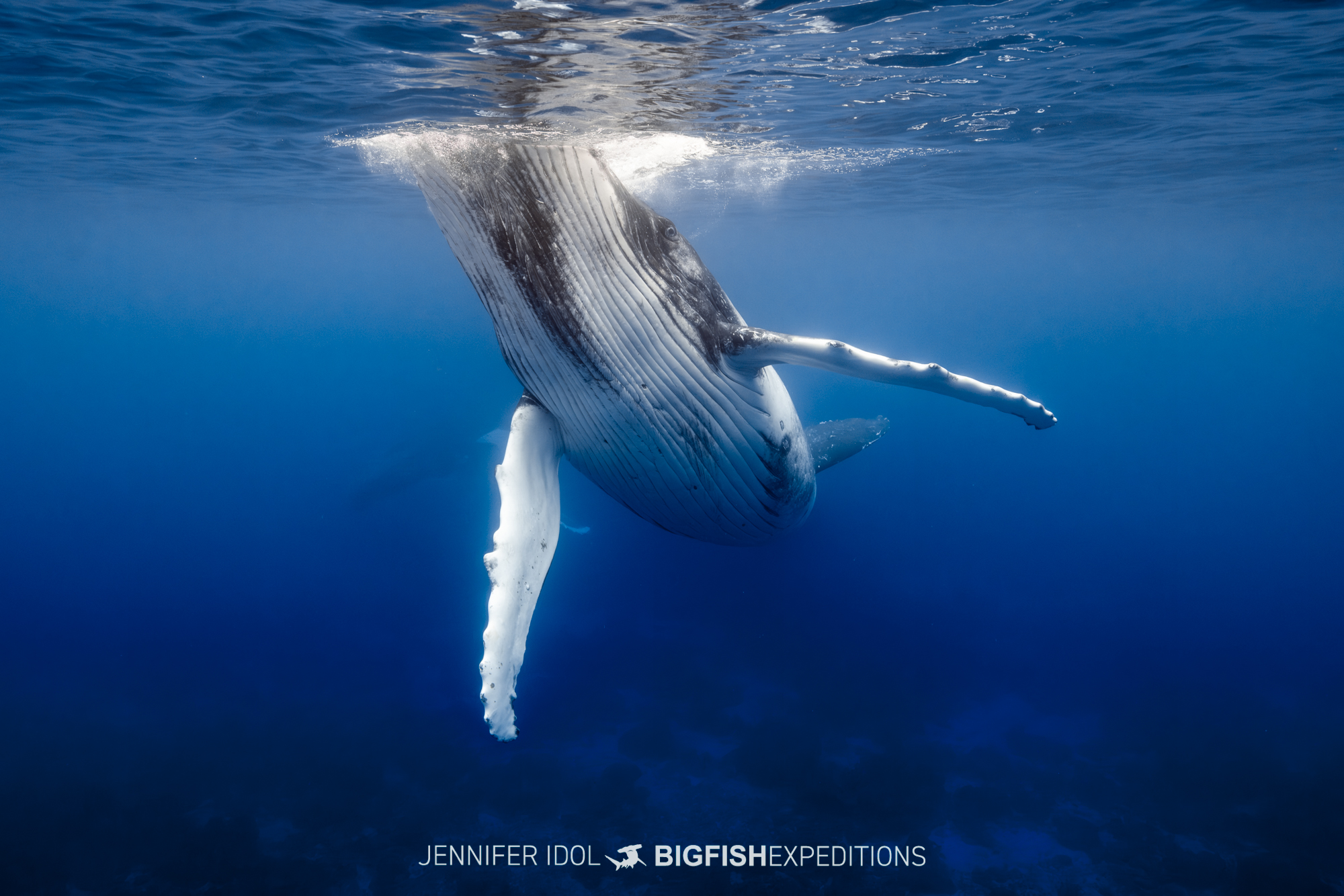
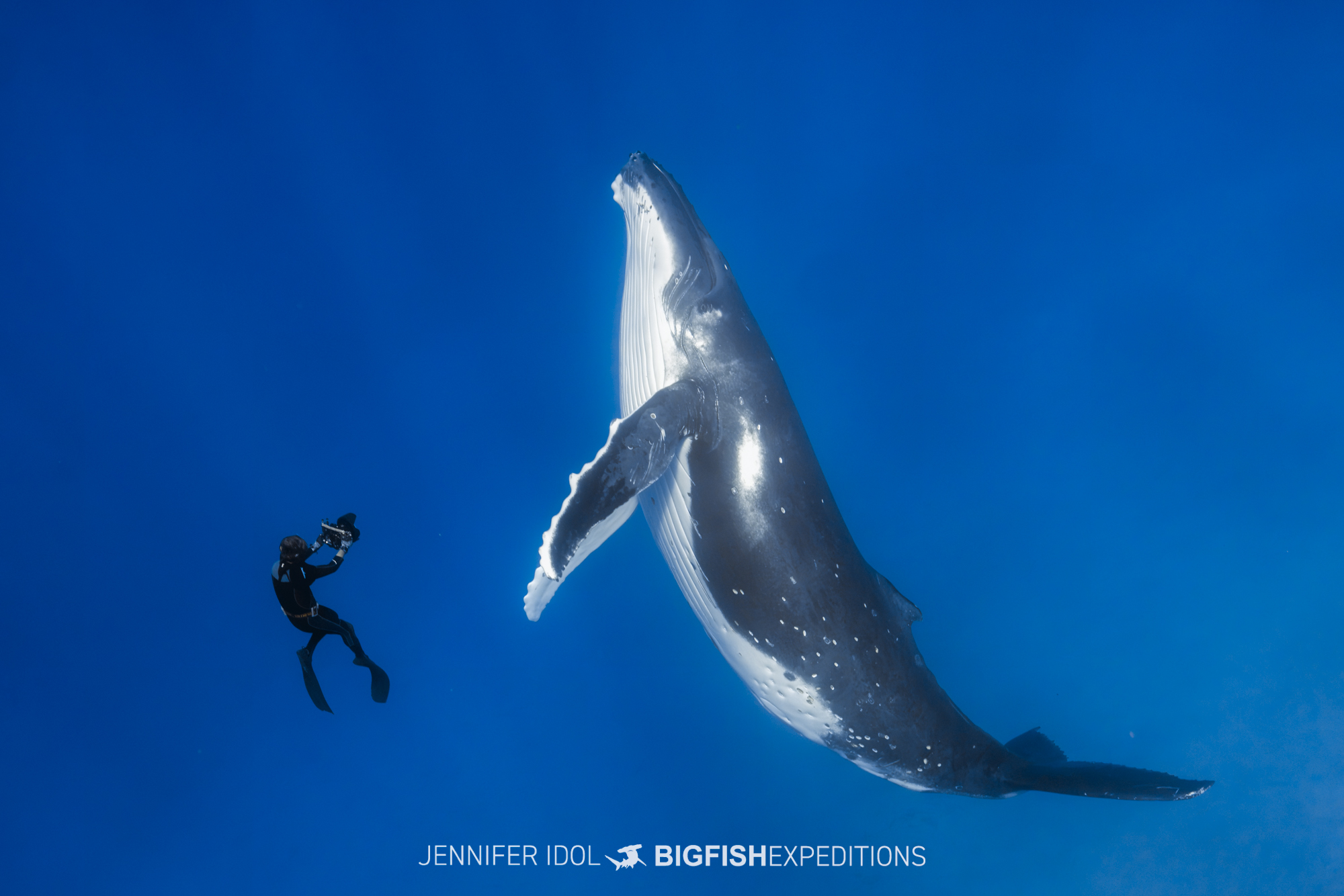
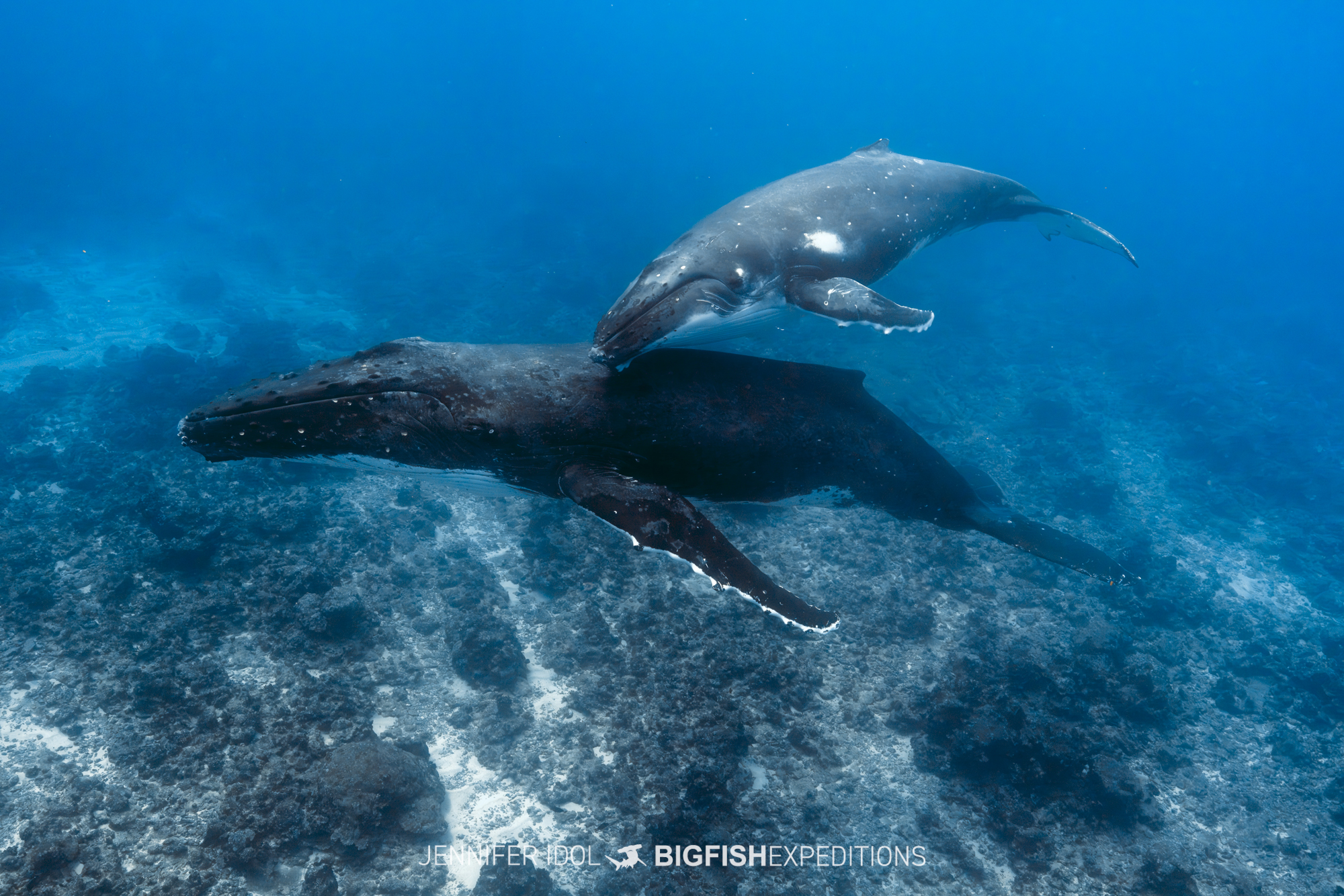
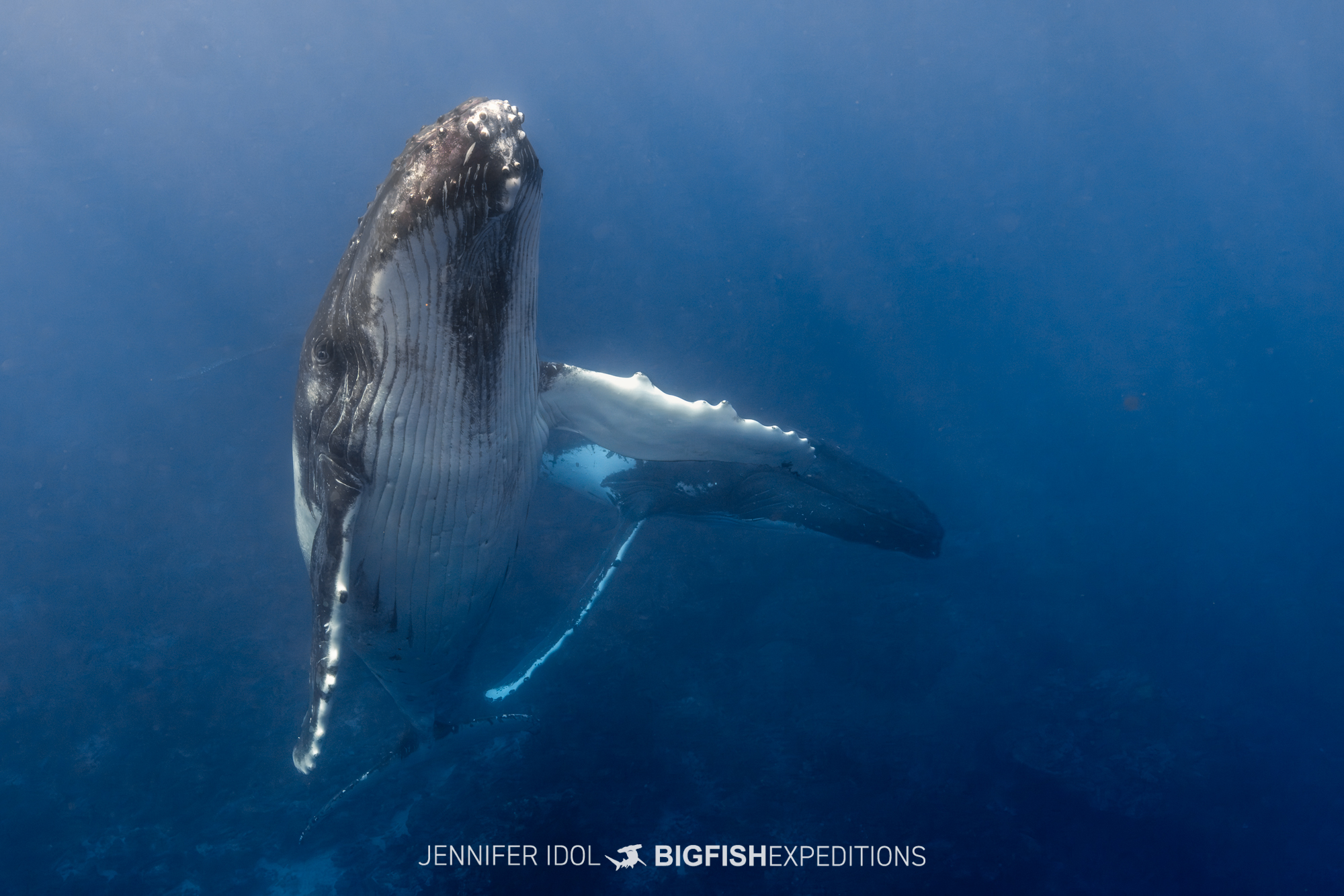
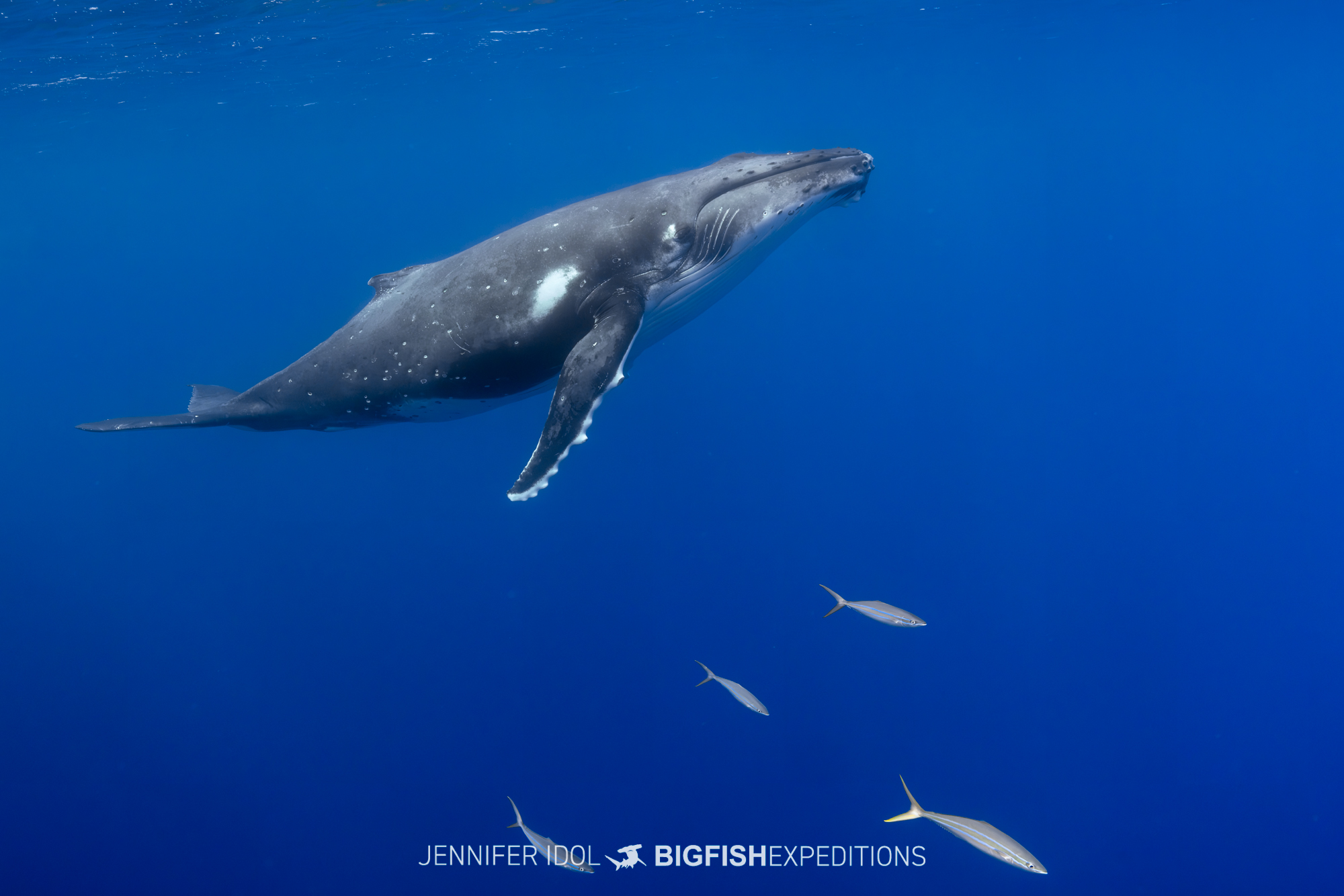
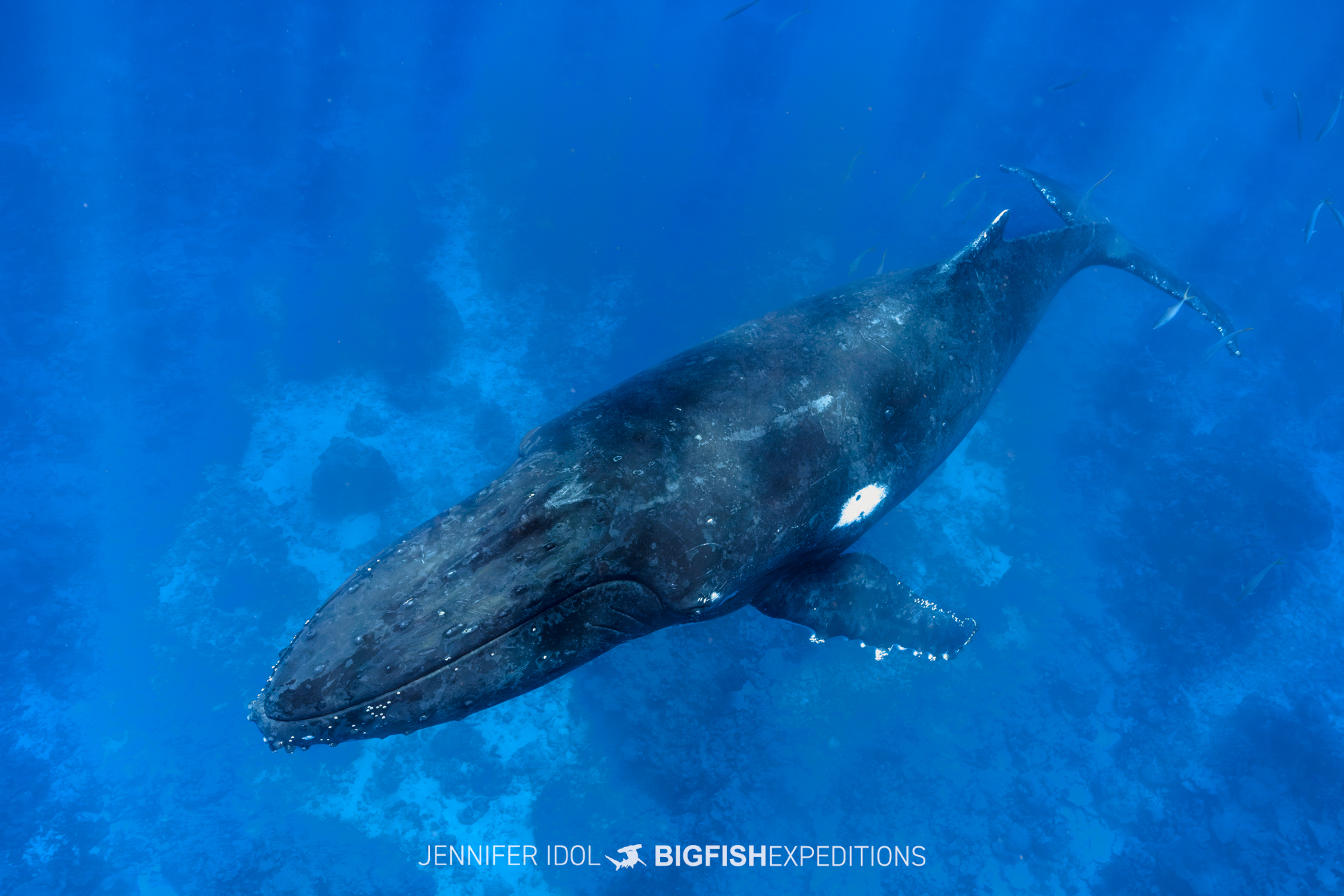
A resting whale gives you an opportunity to appreciate details that are difficult to absorb during a passing encounter: the shape of an enormous pectoral fin, the proportions of a calf beside its mother, the small movements of an animal holding its position. September’s larger calves were impressive in their own right, although seeing one beside an adult quickly restored our sense of scale.
One particularly memorable encounter took us to a secluded part of the island. We had a wonderful view of a calf, with room to appreciate what was happening. These are the moments I hope to share with people when they join me here.
Learning from the whales
Part of what makes a week in Rurutu enriching is the opportunity to build on what you learn each day.
We help our guests understand what we were seeing and recognize opportunities for a good encounter. We practiced quiet entries, relaxed movements, and staying together in the water. Our groups did a good job putting that guidance into practice, becoming more confident and attentive as the week progressed.
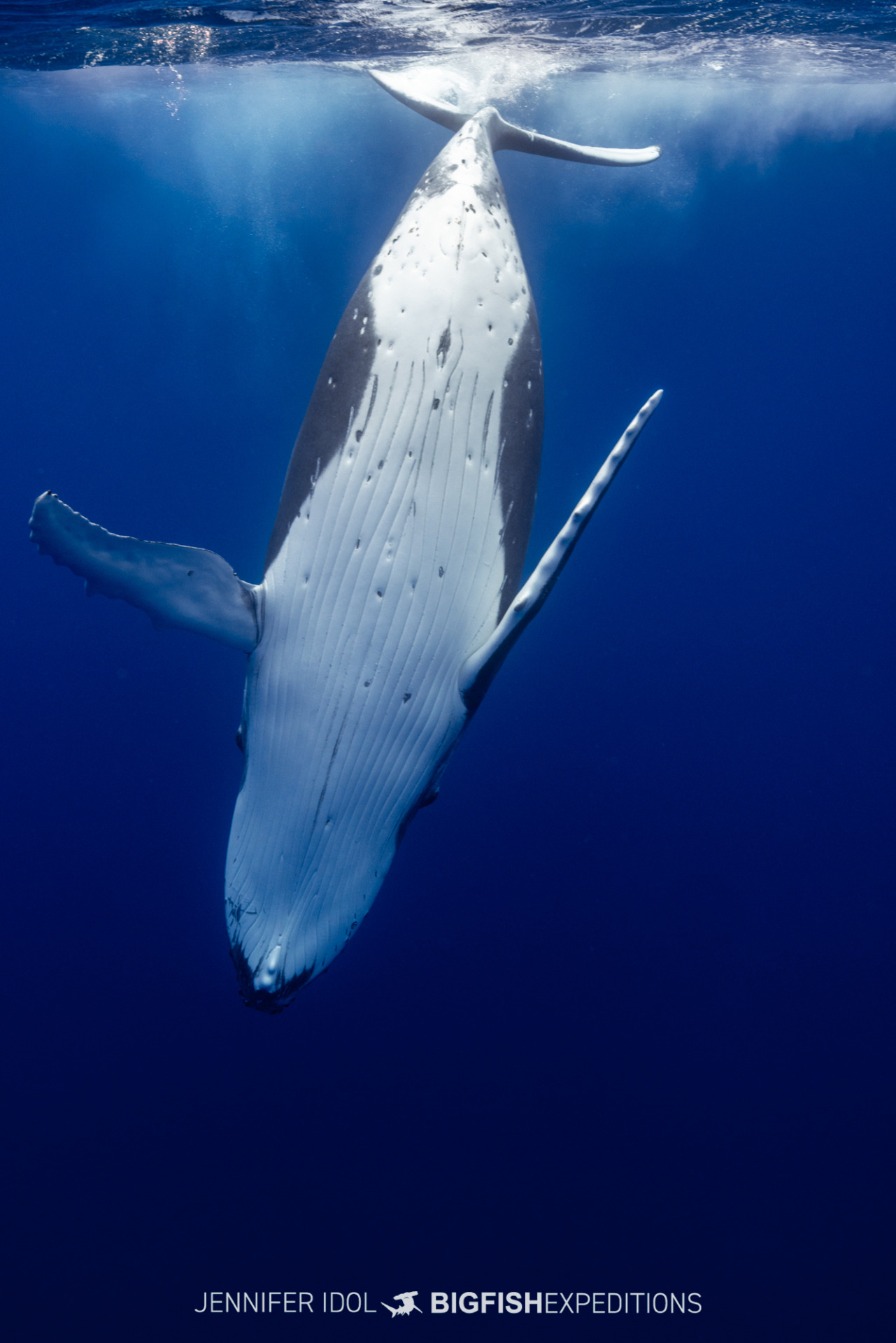
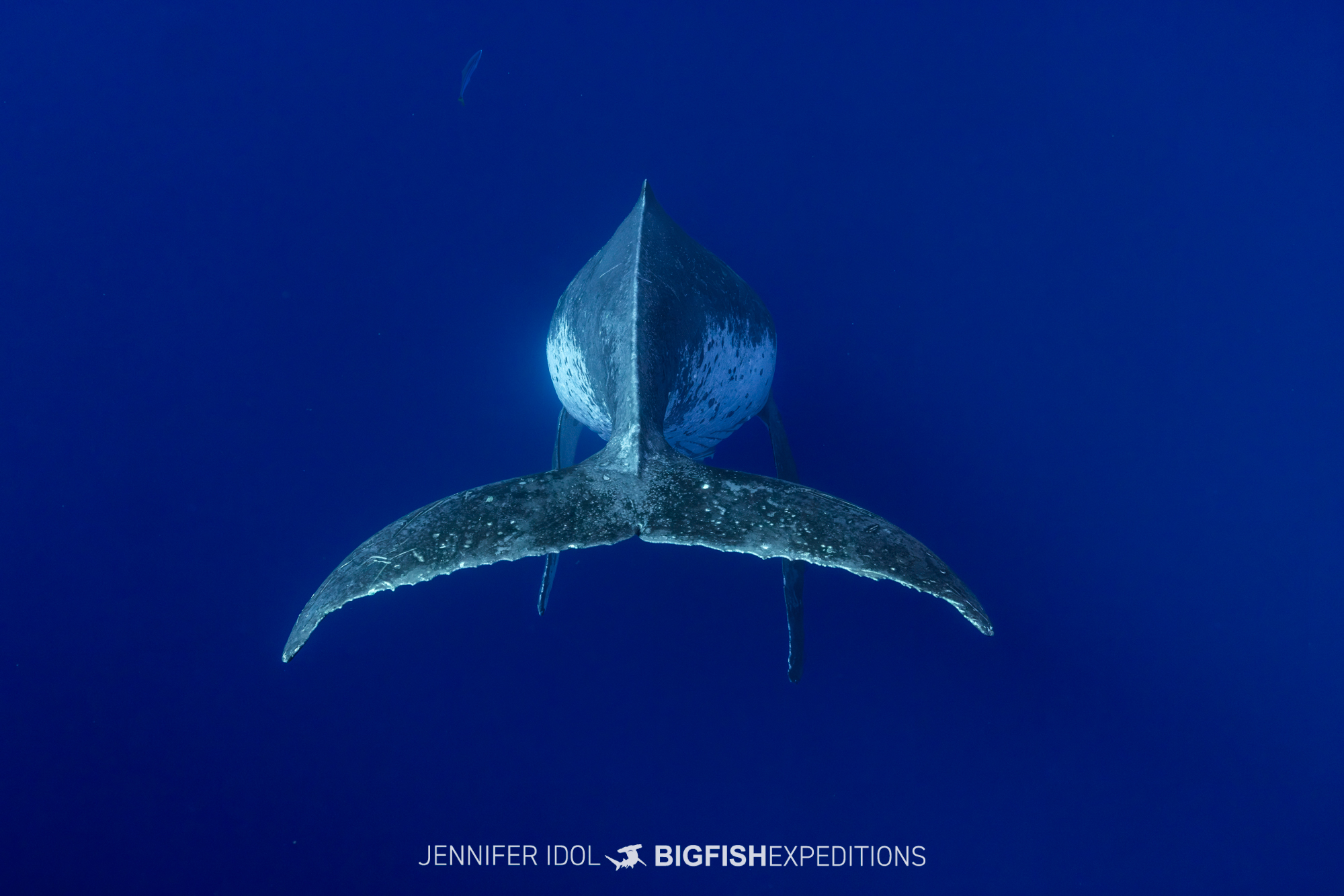
Moving calmly gives us time to notice more. Watching a mother and calf, or a whale resting below us, becomes more meaningful as we begin to understand their patterns. The anticipation of a whale returning to the surface is part of the experience, too.
Patience rewarded us with some wonderful encounters. Giving the whales space and allowing an encounter to unfold brought moments that would have been easy to miss if we were focused only on getting closer.
And I understand the desire for more. Even after generous time in the water over the course of a day, it can be surprisingly difficult to put your mask away. There is always another photograph you imagine, another behavior you hope to see, another reason to stay.
I feel that pull, too. Every opportunity to see these whales is special.
French Polynesia’s observation rules help limit pressure on the animals, allowing a maximum of six participants plus a guide in the water per vessel, and no more than three authorized vessels within the 300-meter observation zone. Within that framework, our guides assessed the whales and conditions throughout each encounter.
Full days in Rurutu
Our days generally stretched from about 8 a.m. to 5 p.m., with a lunch break on land. The exact timing and route depended on the whales, weather, and sea conditions.
Some days, swell affected parts of the island and shaped where we could work. Visibility was mostly what I have come to expect in Rurutu, with some variation as conditions changed. Spending full days out gave us time to search, reassess, and explore different stretches of coastline.
It is an active trip with lots of time on the boat (near shore in deep water). Individual sun protection and something warm for after a swim help guests feel comfortable throughout the day. By dinner, we had usually earned both our appetites and a good night’s sleep, though no one lost any weight with ample food available.
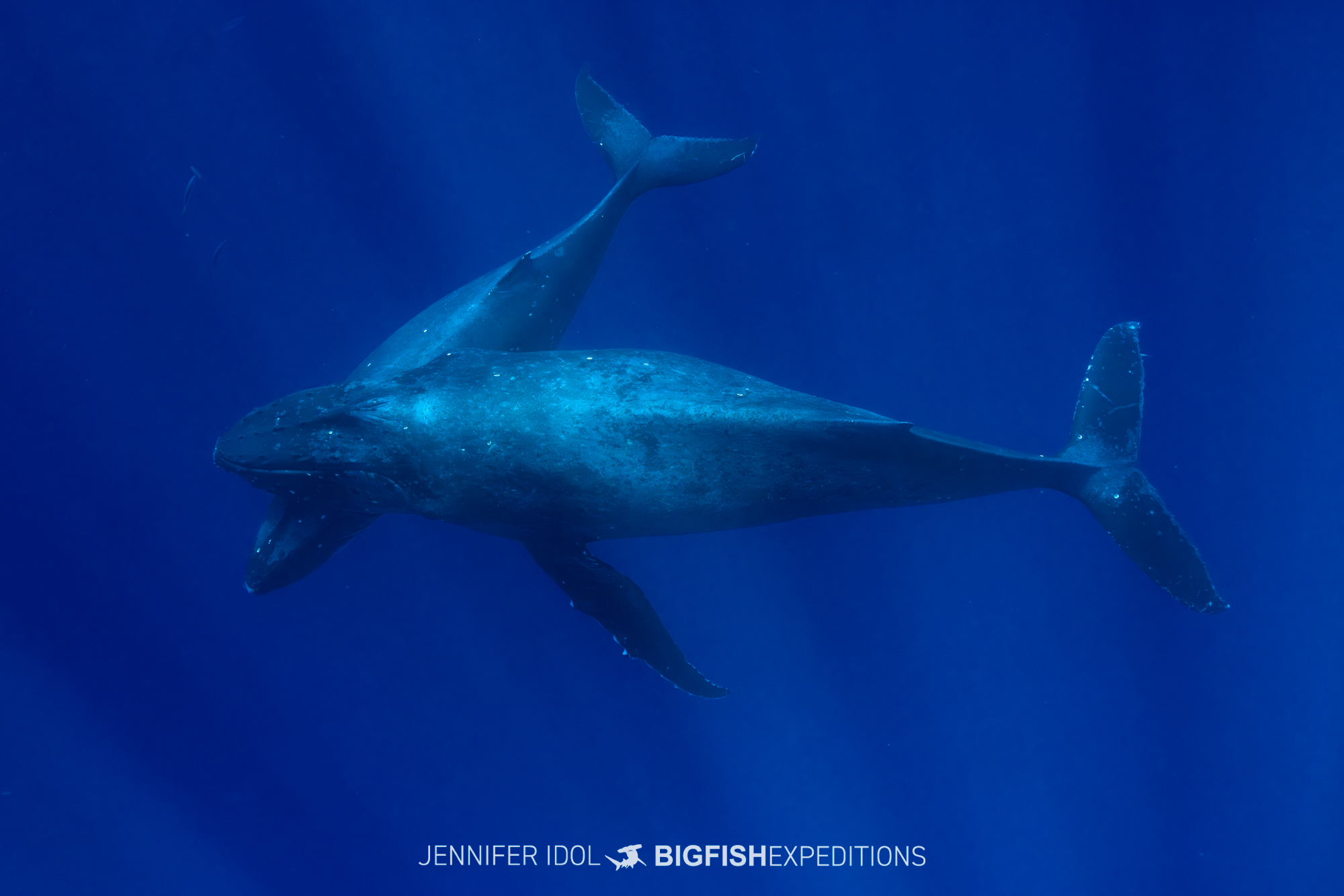
We also saw many breaching whales. A humpback launching itself out of the ocean is extraordinary to watch. For swimming encounters, I hope for quieter behavior.
On one occasion, a whale breached while we were already in the water. We ended the encounter and left the whale to its activity. Watching and responding to those changes is part of spending time with wild animals.
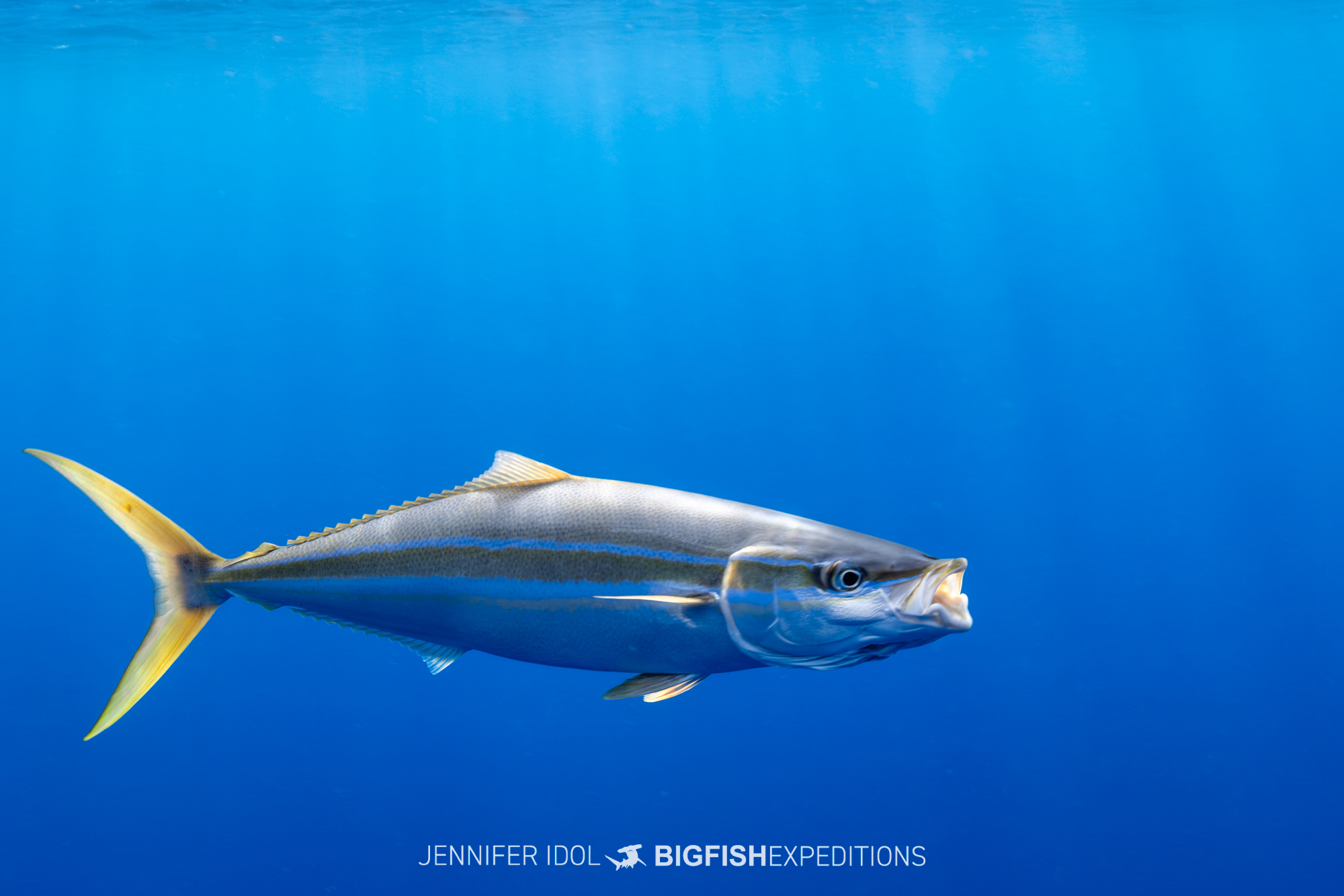
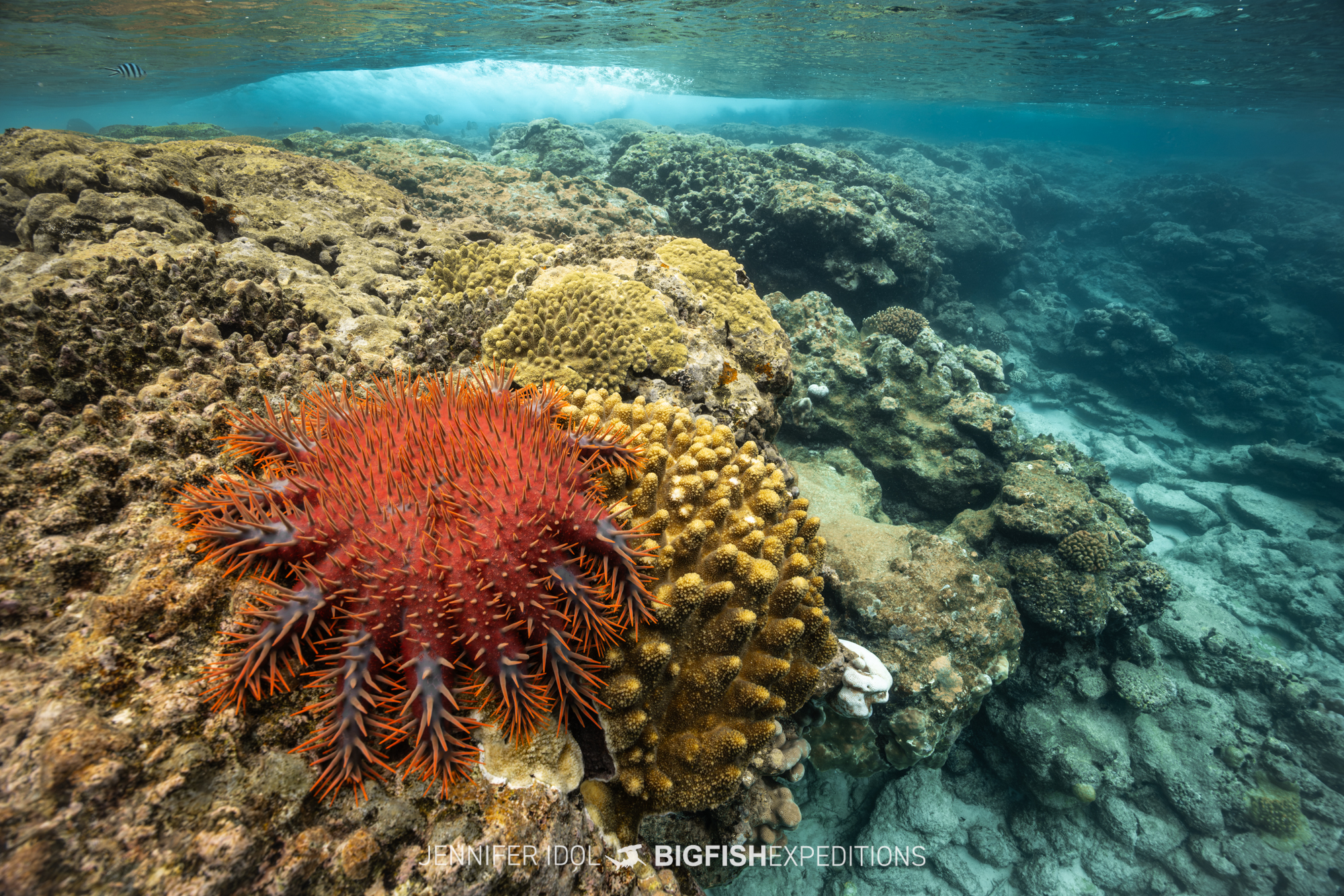
There were smaller subjects to notice, too. Crown-of-thorns sea stars were still present on the reef, strikingly beautiful animals with a voracious appetite for coral.
Connecting with the island
The guests who joined the island tours enjoyed another dimension of Rurutu. Exploring on land adds cultural context to the coastline we spend our days traveling around.
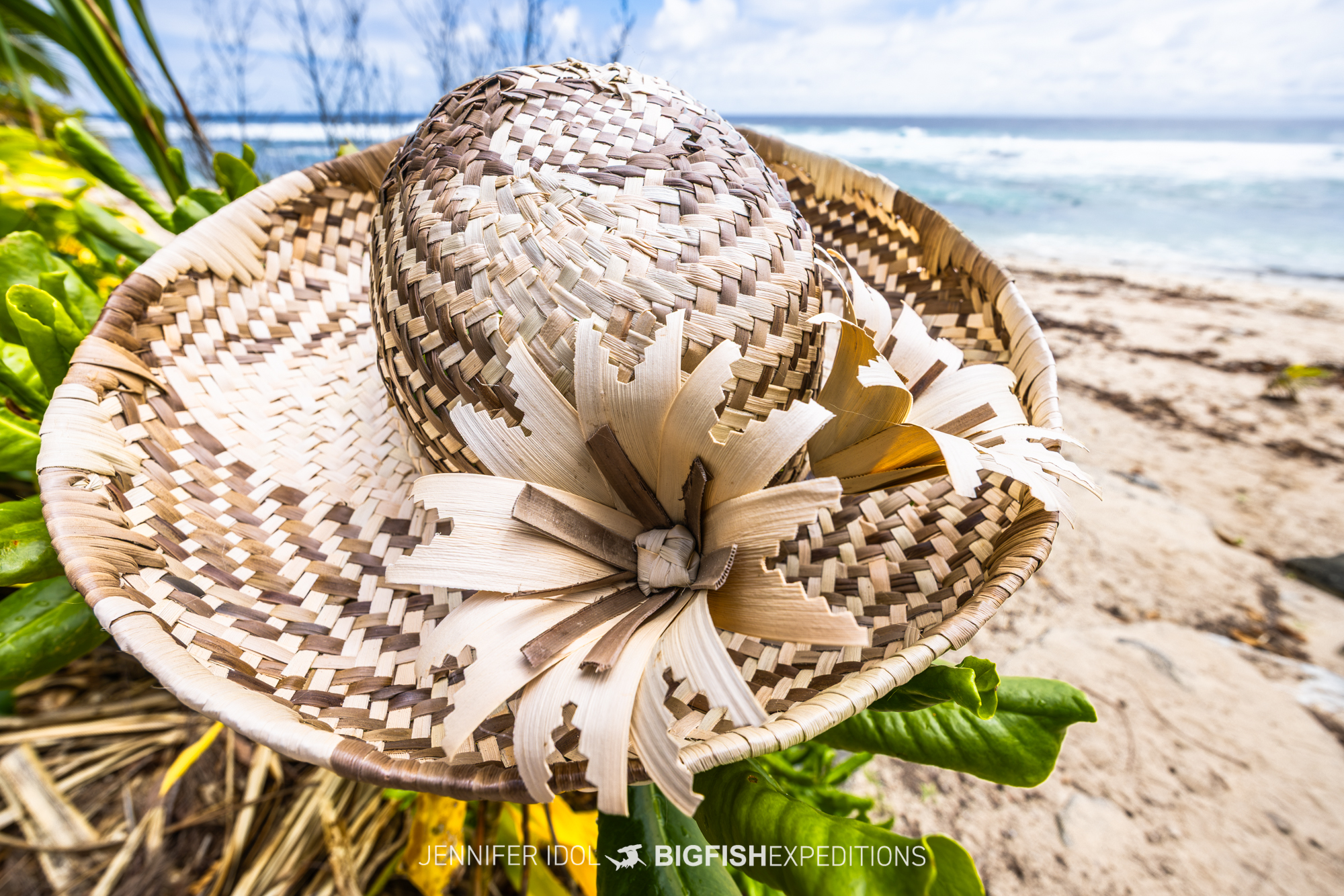
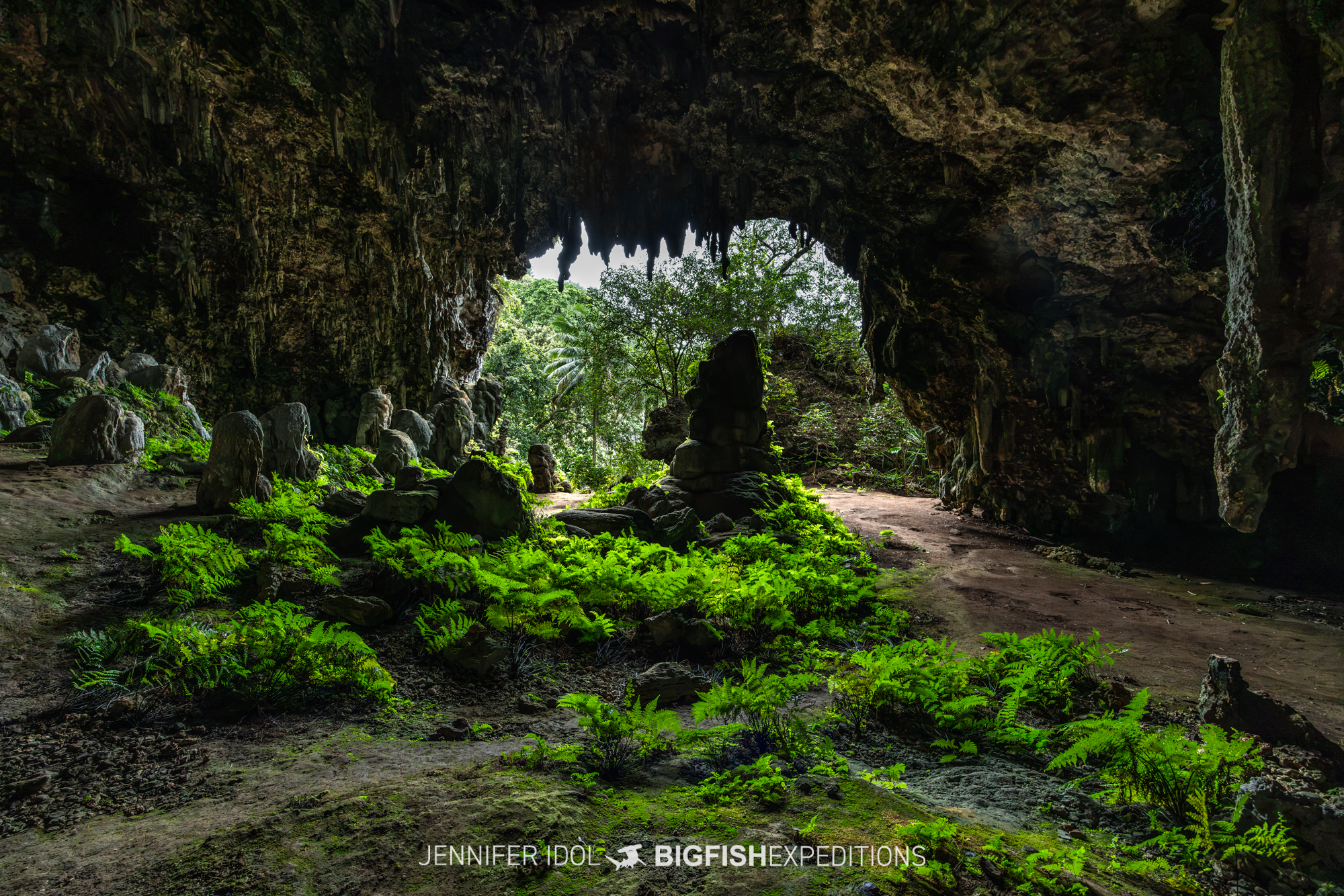
Ana A‘eo, also known as Grotte Mitterrand, was one of the places that helped connect the island’s landscape with its stories. Rurutu’s weaving traditions offered another connection, through the skill and care involved in turning pandanus leaves into hats, baskets, and other intricate work.
I encourage people to make time to see the island during their stay. Its villages, caves, crafts, and the knowledge shared by local people are part of what makes being here meaningful.
Rurutu is remote, and the experience is shaped by the community welcoming us and the ocean around it. After full days with the whales and time exploring ashore, a week passes remarkably quickly. Somehow, so did September.
I came home tired, grateful, and already looking forward to returning next year.
If this sounds like your kind of adventure, I would love to share Rurutu with you: full days on the water, time to get to know the island, and the opportunity to learn alongside people who know these whales and their home.