A Big Fish Expeditions Trip Report
Photographing the Southern Right Whales of Peninsula Valdez
In mid-August, Big Fish Expeditions returned to the Valdes Peninsula in the northern section of Argentina’s Patagonia to photograph Southern Right Whales. The protected area is one of the only places in the world where you can photograph these cetaceans, albeit under a professional photography permit issued by the Argentine government. Conditions during our first week were variable, shifting from dream-like glassy seas to fierce port-closing gales, but
the days on the water were magical. Unfortunately, we did see quite a few dead calves. It is not uncommon to see one It was determined that a bacterial outbreak was killing the calves, leading to one of the largest mass casualty events in history. Despite this sad reality occurring in the background, we were still able to experience some of the best encounters in our many years of visiting this UNESCO World Heritage Site.
Glassy Flat Seas
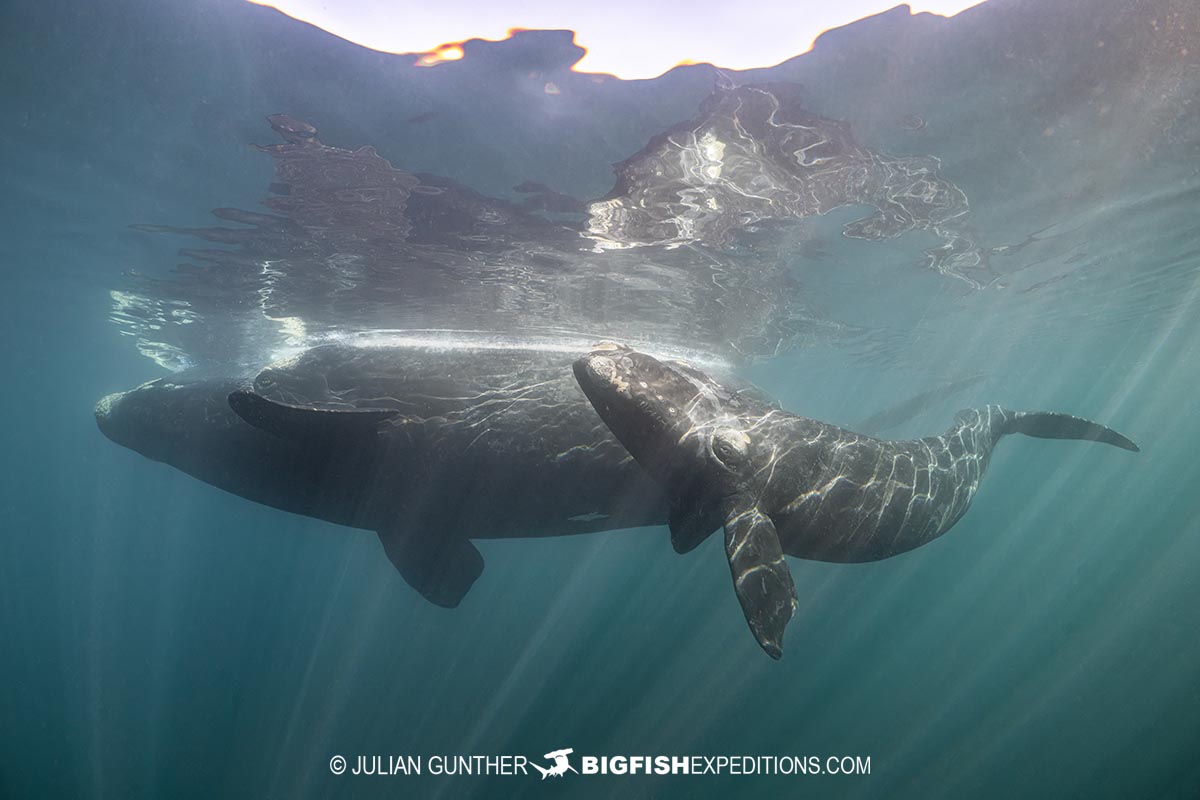
Conditions on our first day were dream-like: flat, glassy seas and clear skies. It was the exact type of day you dream about, and as if Mother Nature wanted to ensure our expectations were high, we immediately encountered a mother with a white calf within seconds of leaving the beach! Regulations dictate that we cannot dive within the sheltered bay
adjacent to Puerto Pirámides, so we slowed past the pair to secure some top-side shots.
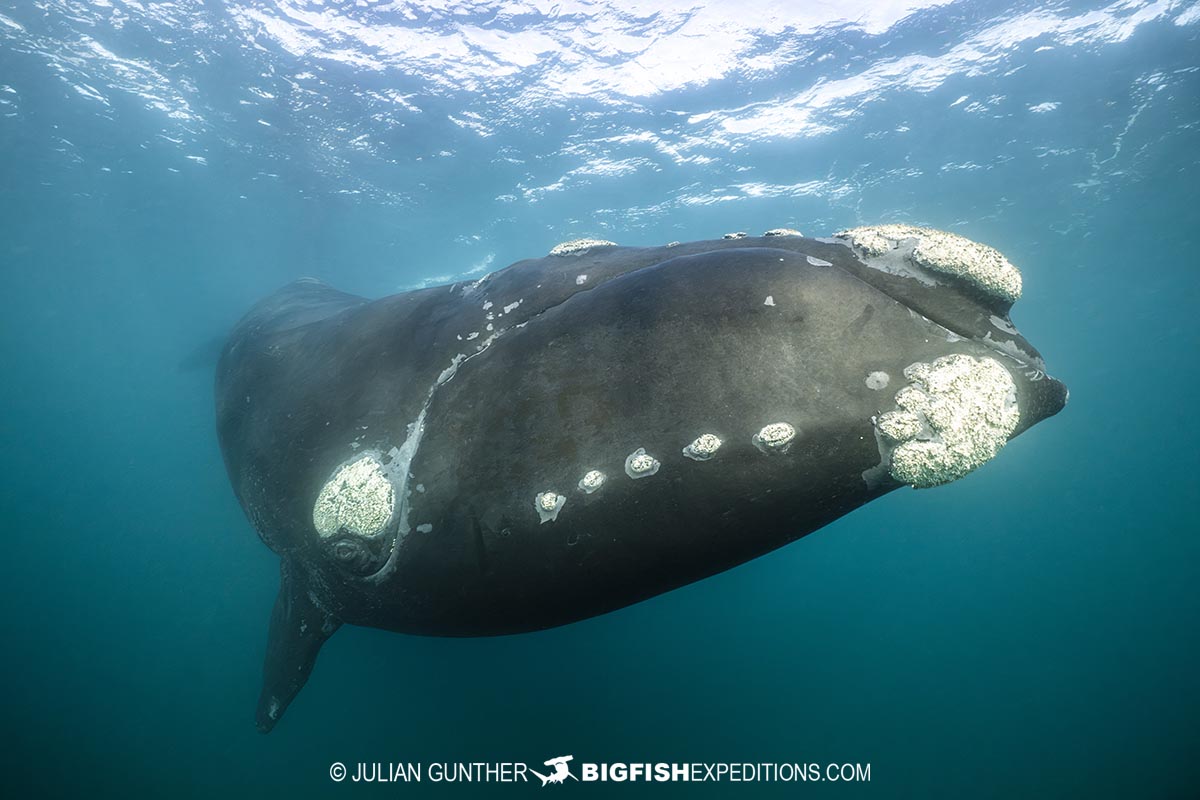
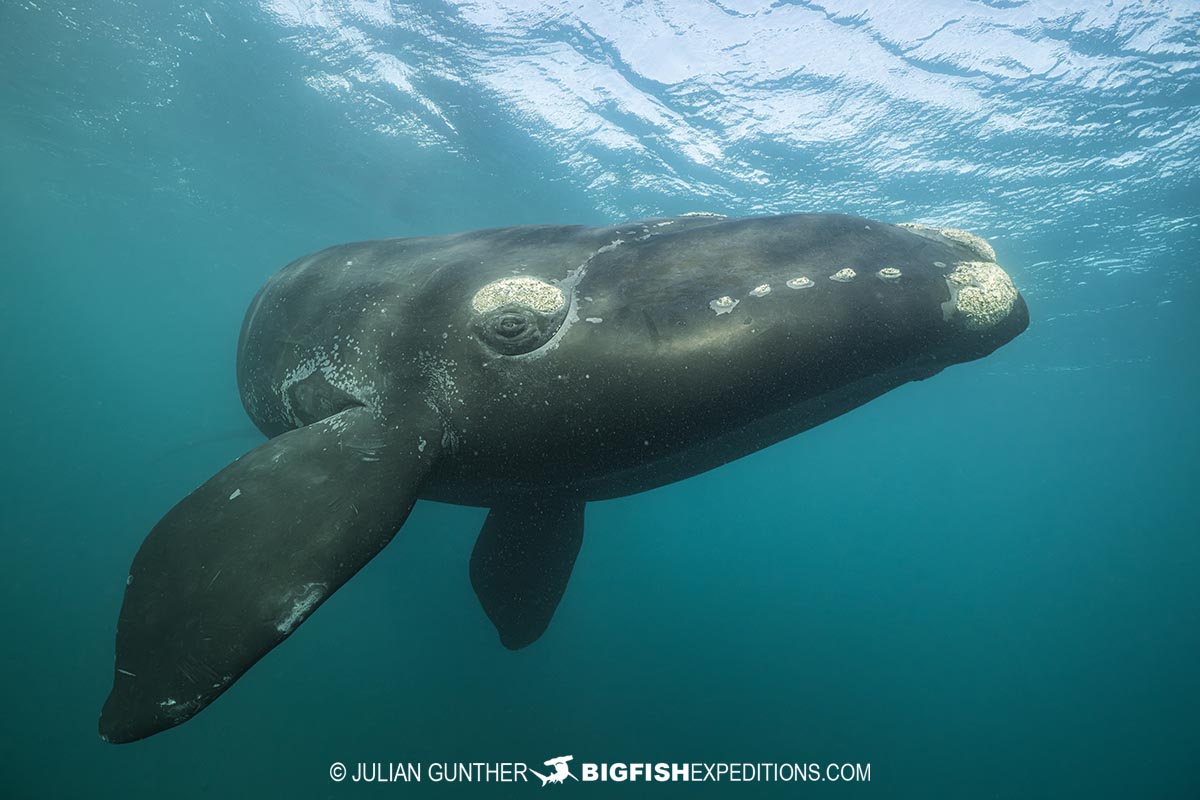
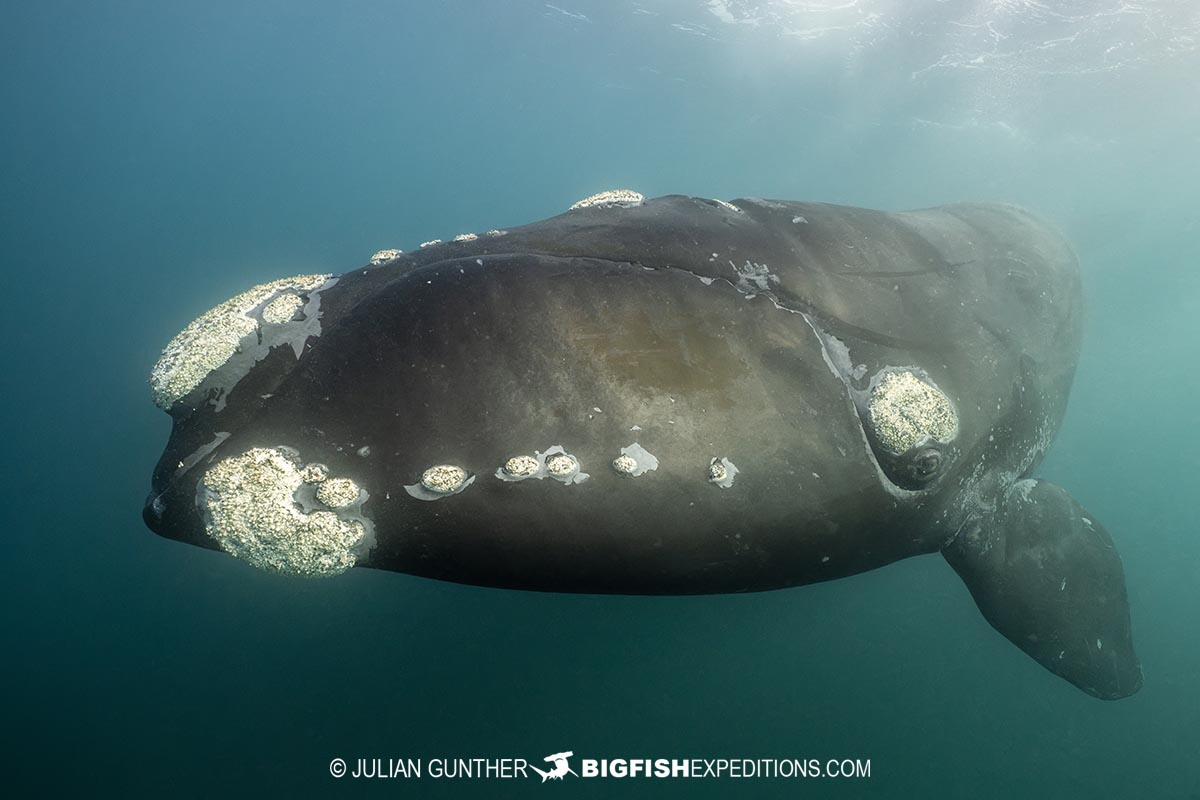
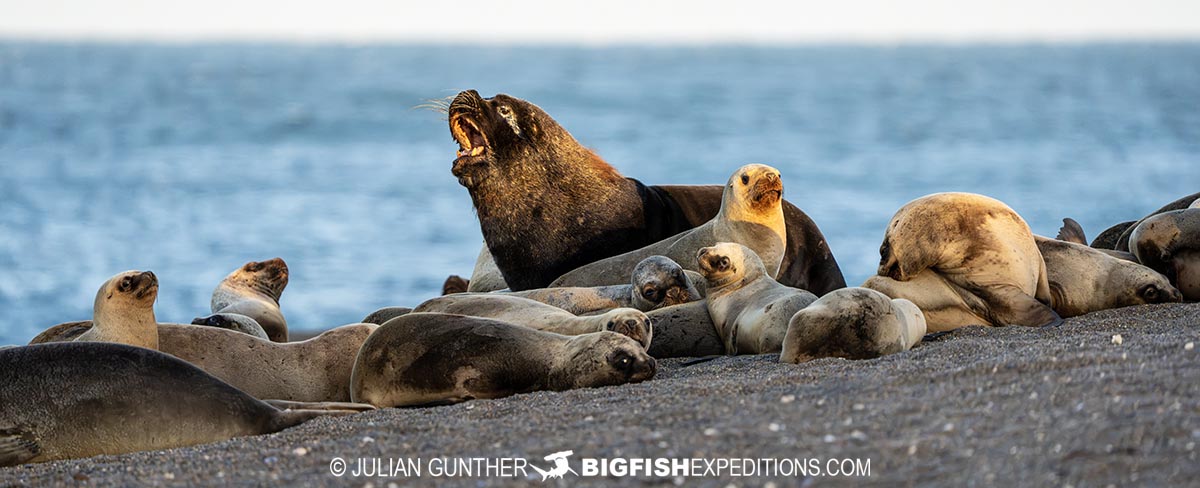
Pushing onward, we motored past the Southern Sea Lion colony—stopping briefly for photos—then turned right to head southwest along the coast. It didn’t take long to find curious juveniles and begin our in-water rotation. The first day is always the most fun as photographers quickly learn that Southern Right Whales can behave very differently than other whales, actively seeking out human interaction. Photographers soon realize that lining up the shot is only part of the job; constant movement to maintain personal space is equally important! These juveniles spent over two hours with our boat before moving off, prompting us to do the same in search of other Southern Rights.
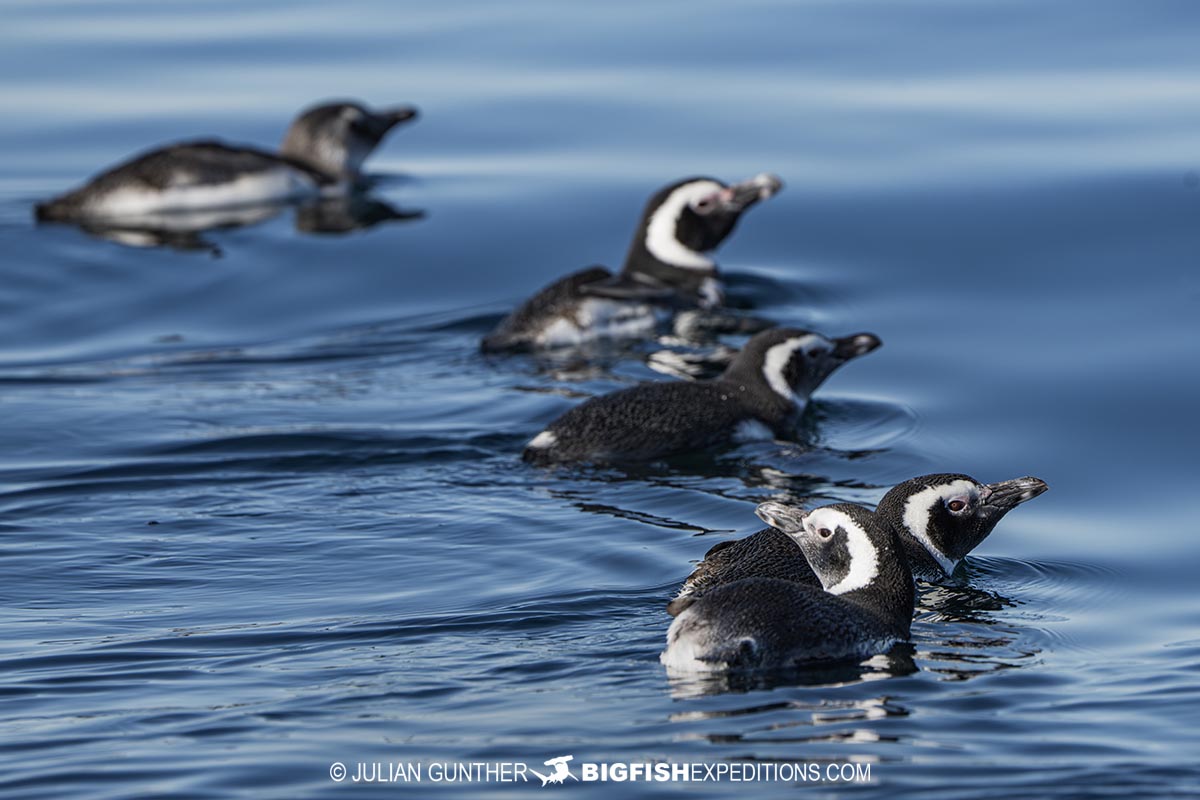
Along our journey, we also encountered several groups of Magellanic Penguins on the water, returning from their annual migration and getting ready to head ashore to mate and raise the next generation.
As the day progressed, we headed northeast and almost immediately found another group of curious juveniles. They
stayed with us for the remainder of the afternoon, accompanied by glorious weather—until the fading light forced us to conclude our epic first day.
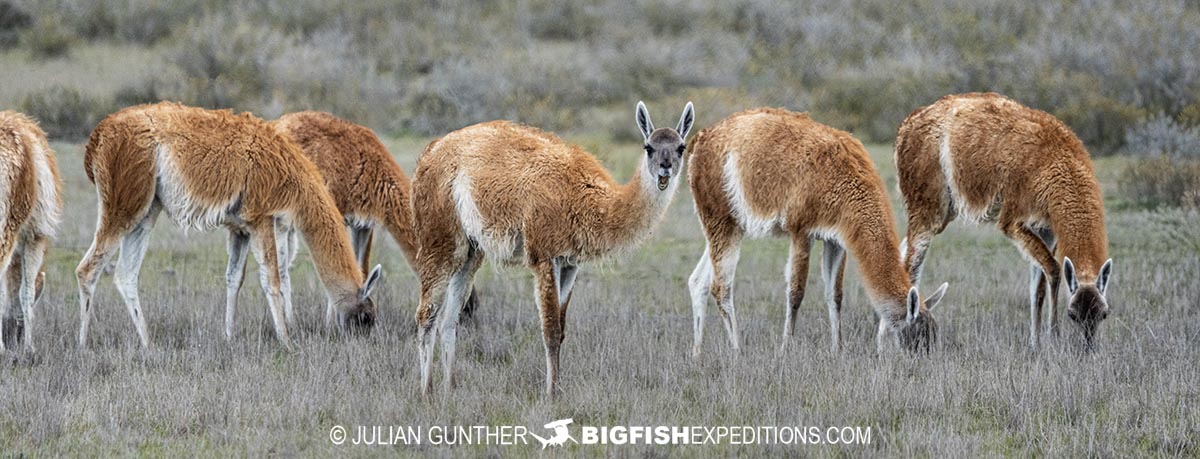
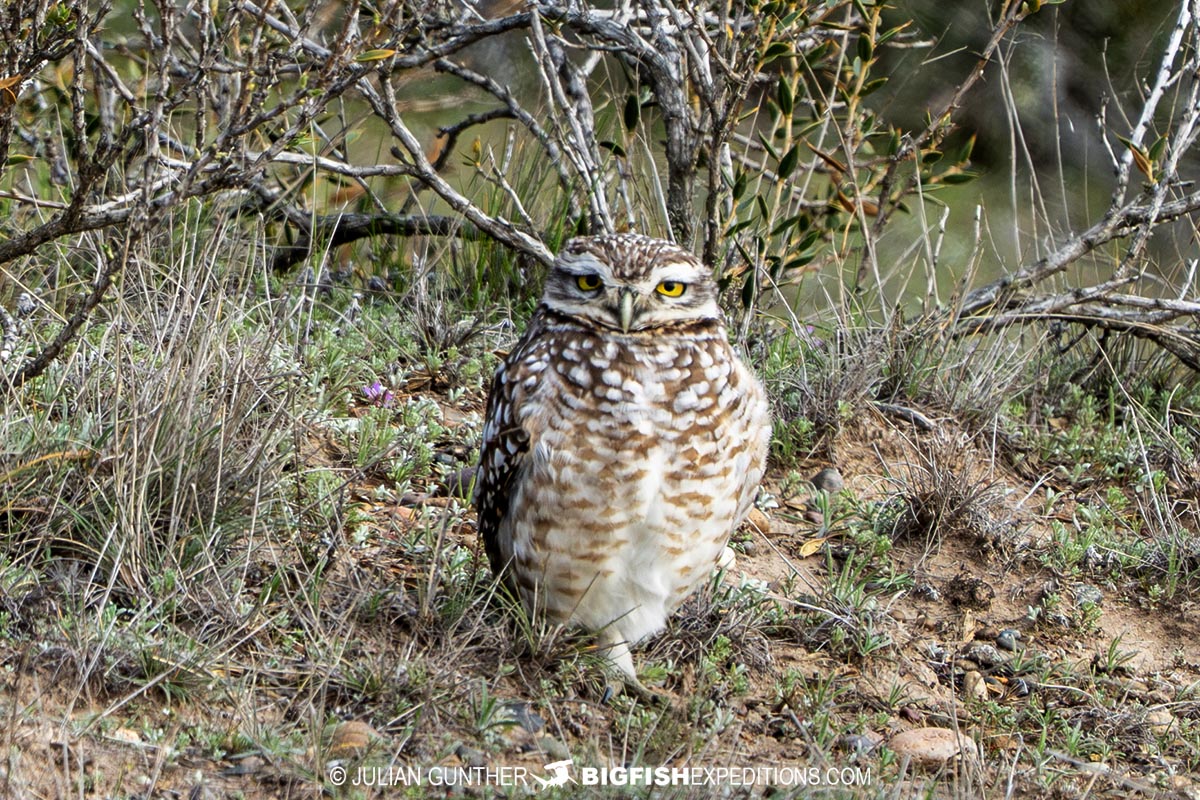
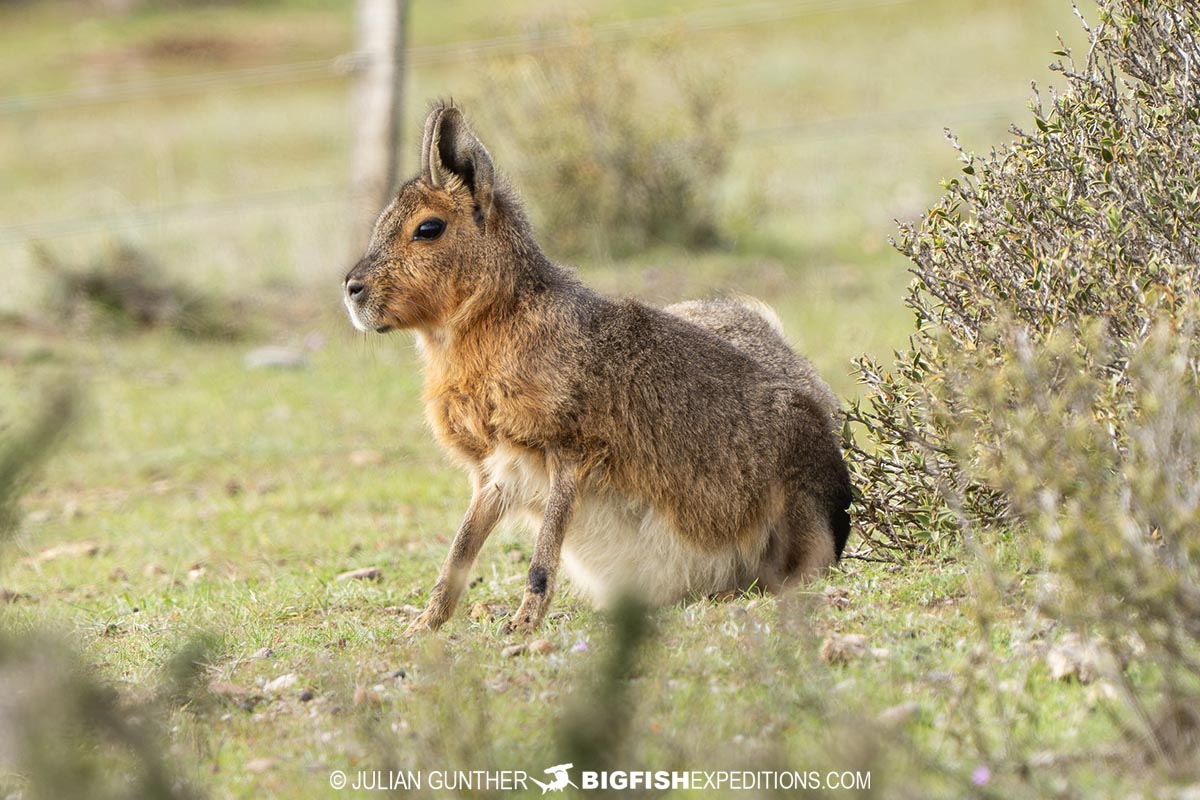
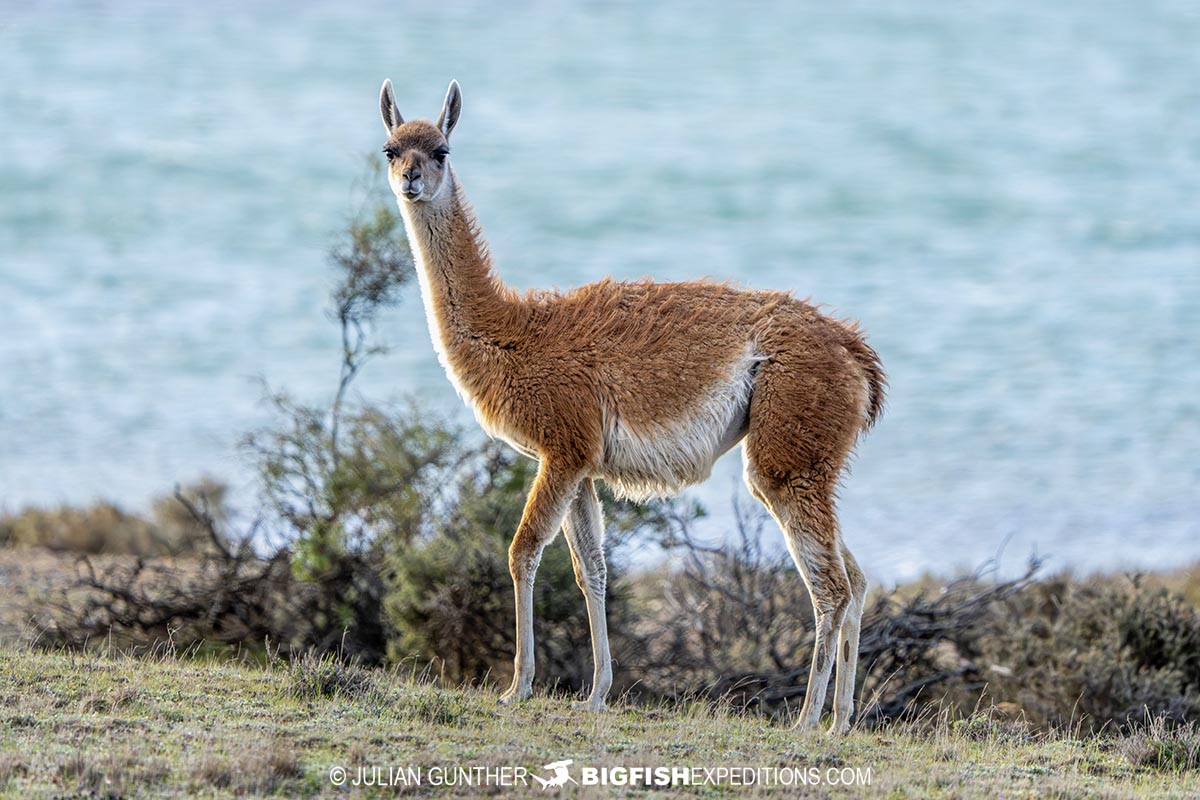
Mother Nature giveth and she taketh away. On day two, we awoke to whitecaps, swaying trees, and a closed port, prompting us to pivot and arrange a land tour of the Valdes Peninsula. Based on the tides, we opted to first visit Caleta Valdes on the eastern coast before heading to Punta Norte on the northern tip of the peninsula. Along the way, we saw countless guanacos (llama-like creatures) and maras (which look like a cross between a hare and a capybara), both endemic to Patagonia. As we approached Caleta Valdes, we spotted several burrowing owls, adding a wonderful avian component to our trip.
We arrived at Caleta Valdes at lunchtime and sought refuge from the wind and cold, but that sanctuary was short-
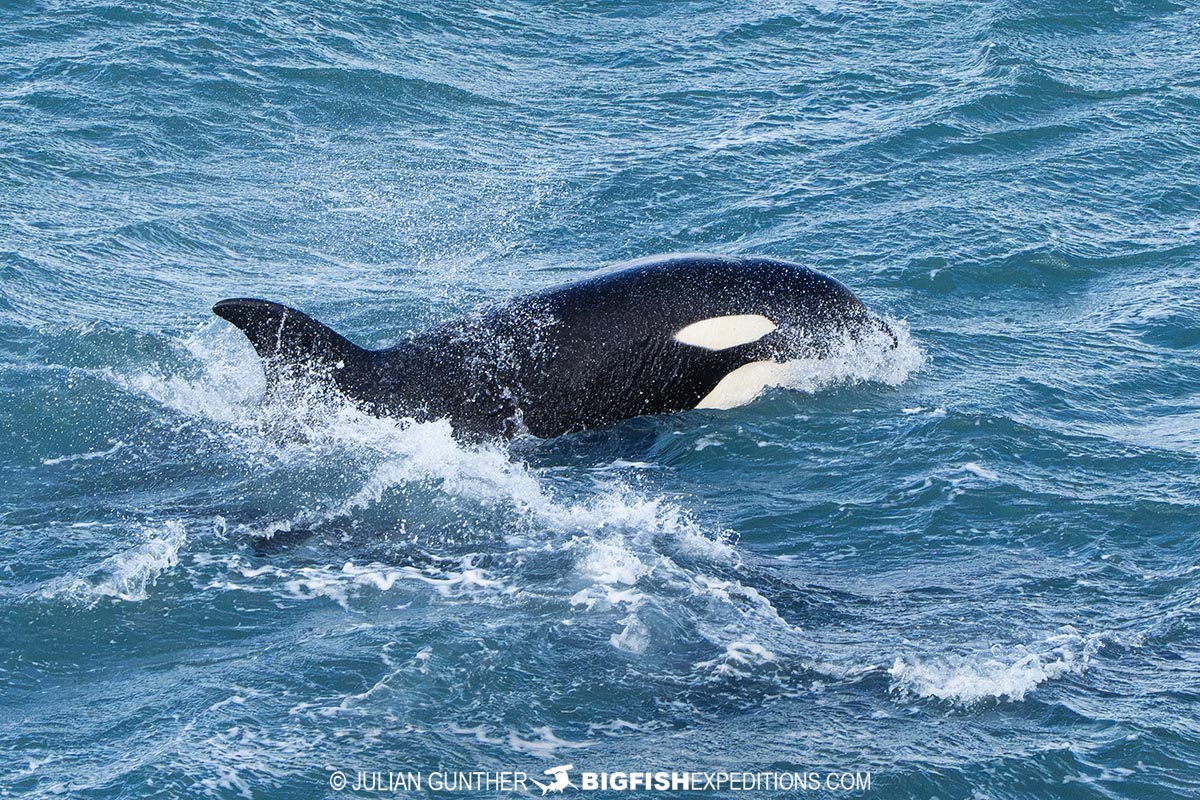
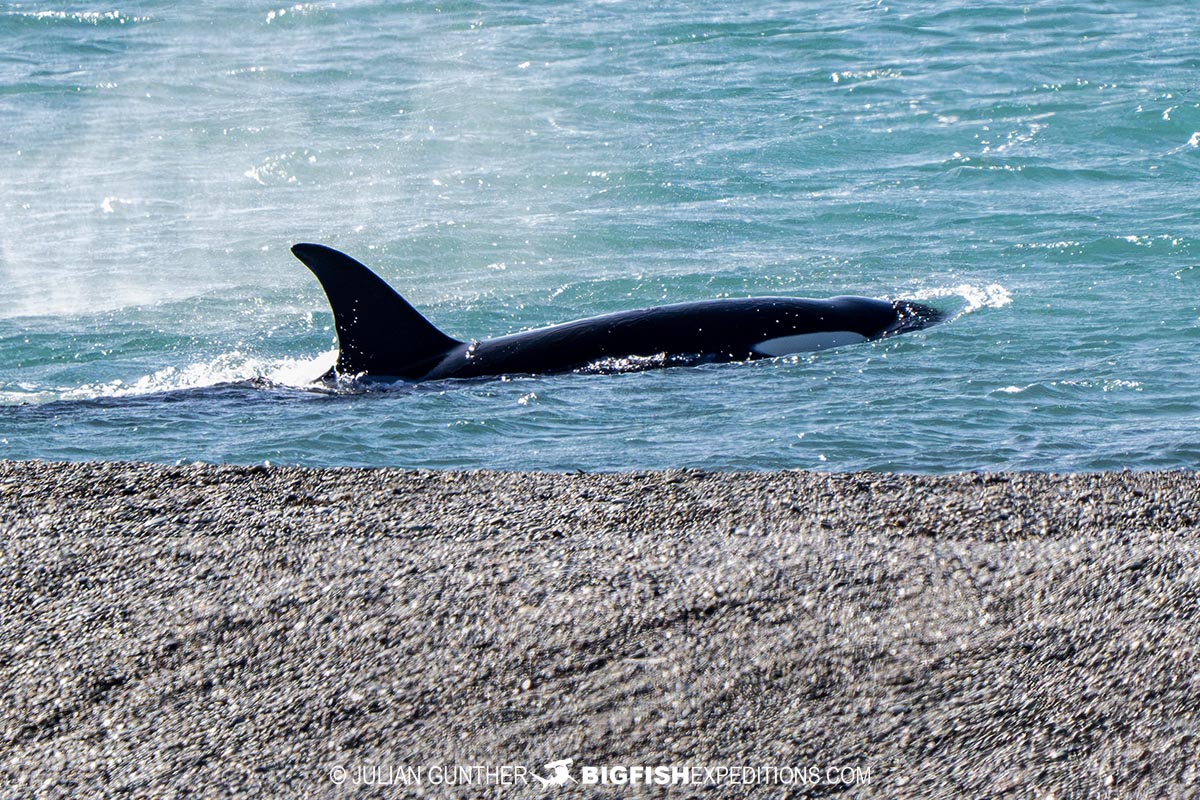
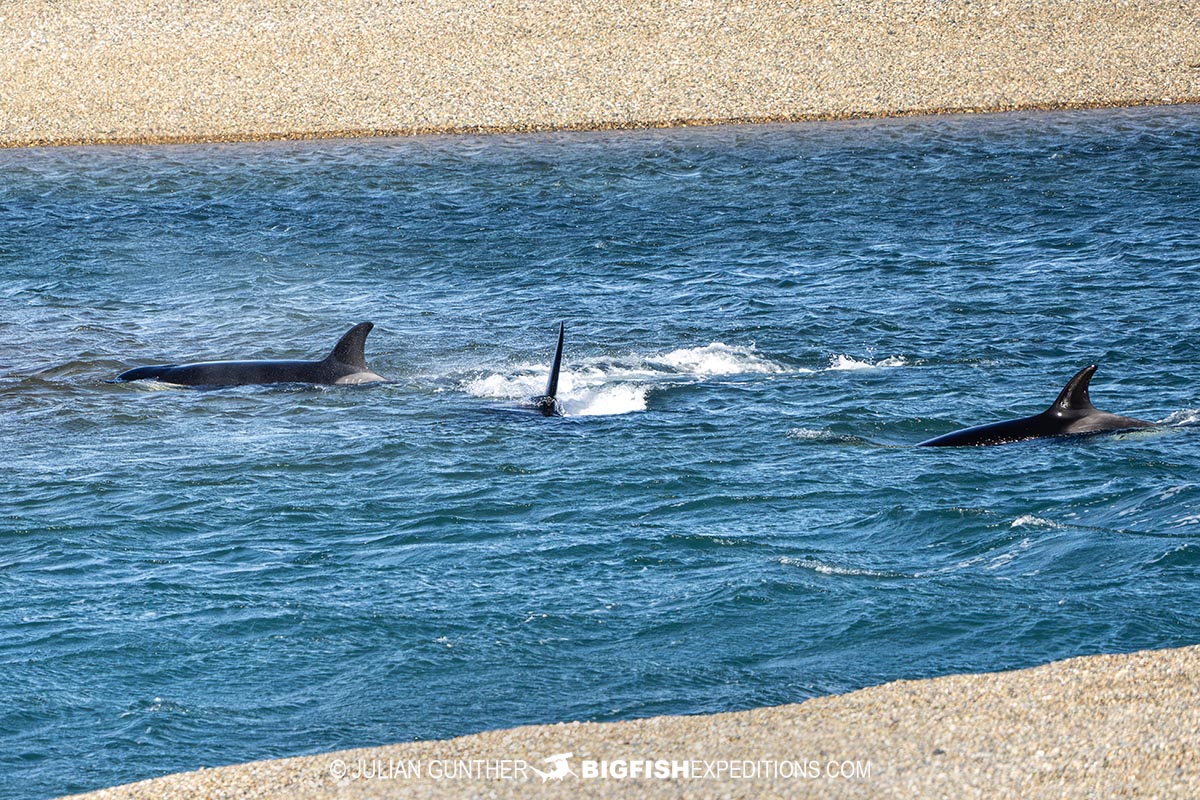
lived: the owner of the deli came running over to our table to announce that orcas had been spotted nearby! The Valdes Peninsula orcas are famous for their breaching behavior, launching themselves onto the beach to snatch unsuspecting sea lion and elephant seal pups. We raced out of the restaurant—still chewing—and hopped into our transport for the quick trip to the lagoon. It didn’t take long to spot a pod of four to five orcas patrolling the lagoon. Although the pinniped population was sparse as they were only just beginning to return from their annual migration, we were still afforded the opportunity to watch the orcas patrol the shallow waters and, in some instances, practice maneuvering.
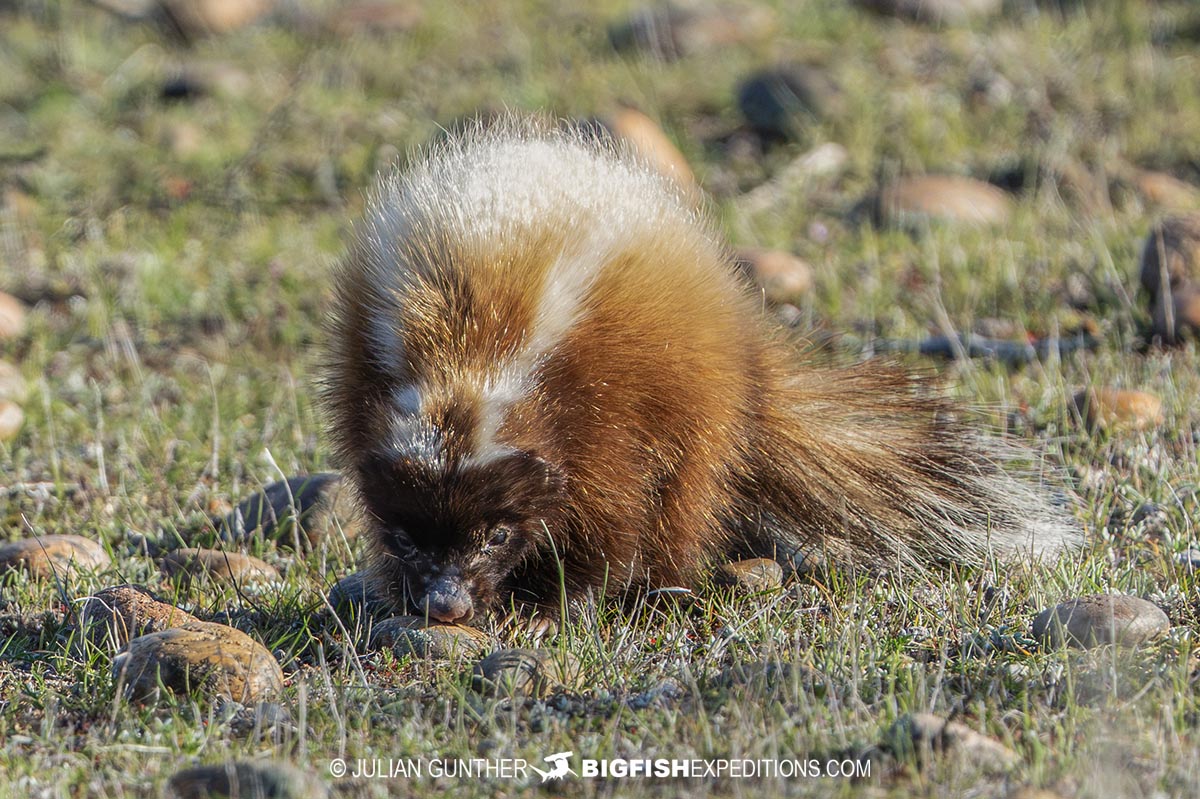
After the orcas moved offshore, we departed Caleta Valdes for Punta Norte, where our permits allowed us onto the beach to get close to southern sea lions and elephant seals. As the day wore on, we made our way back to our home base, pausing to spot more guanacos and even a Patagonian skunk!
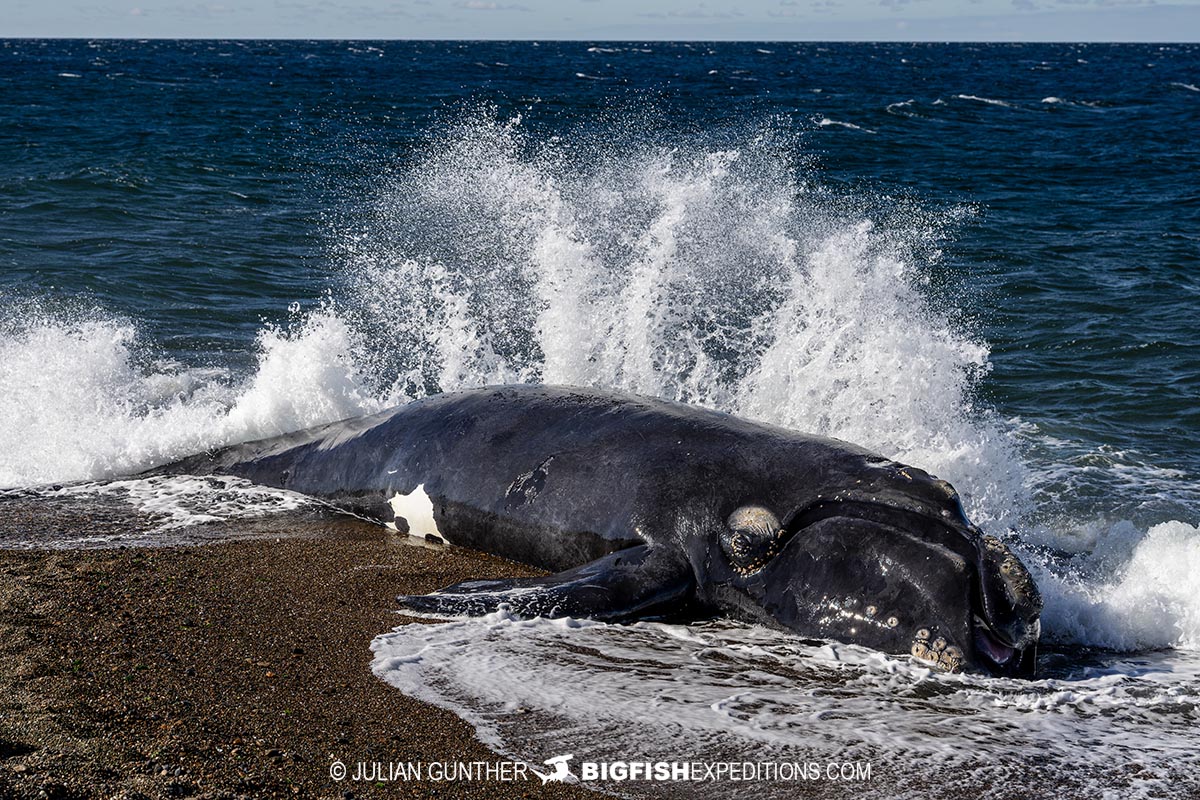
The strong, cool front continued to blow cold and fierce, so the next day we visited Playa Doradillo, where the underwater topography allows adult whales to come within almost touching distance of the shoreline. Tragically, we came across a dead calf here—a sobering reminder of the bacterial epidemic driving the regional mass mortality event.
On a lighter note, we also spotted another white calf from the shore. It was breaching in the distance, clearly visible from the pebbly beach.
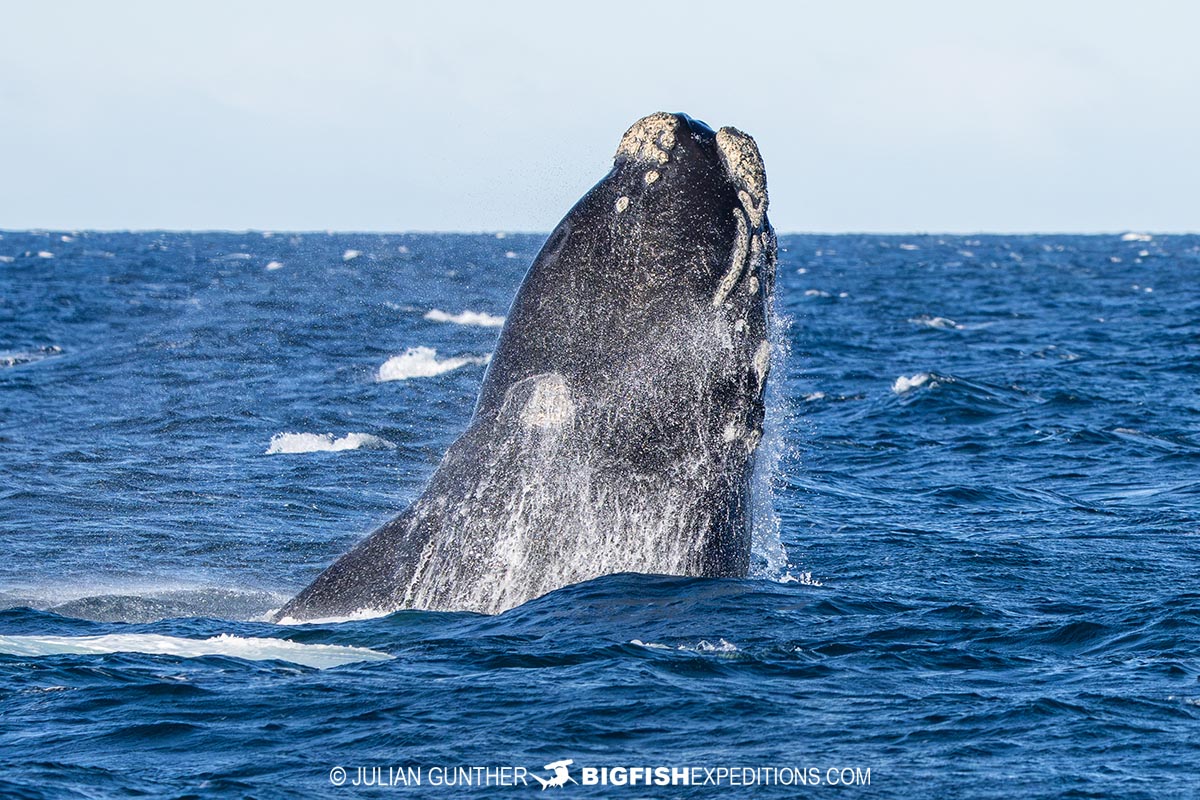
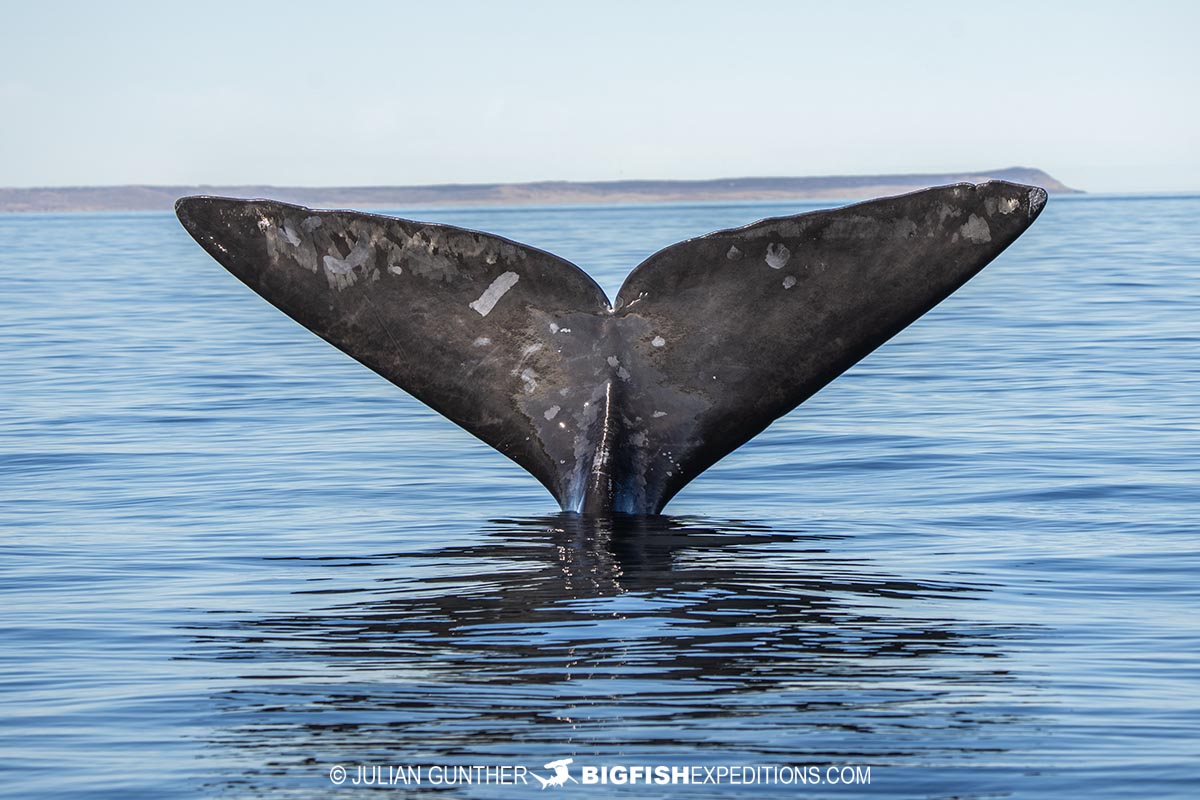
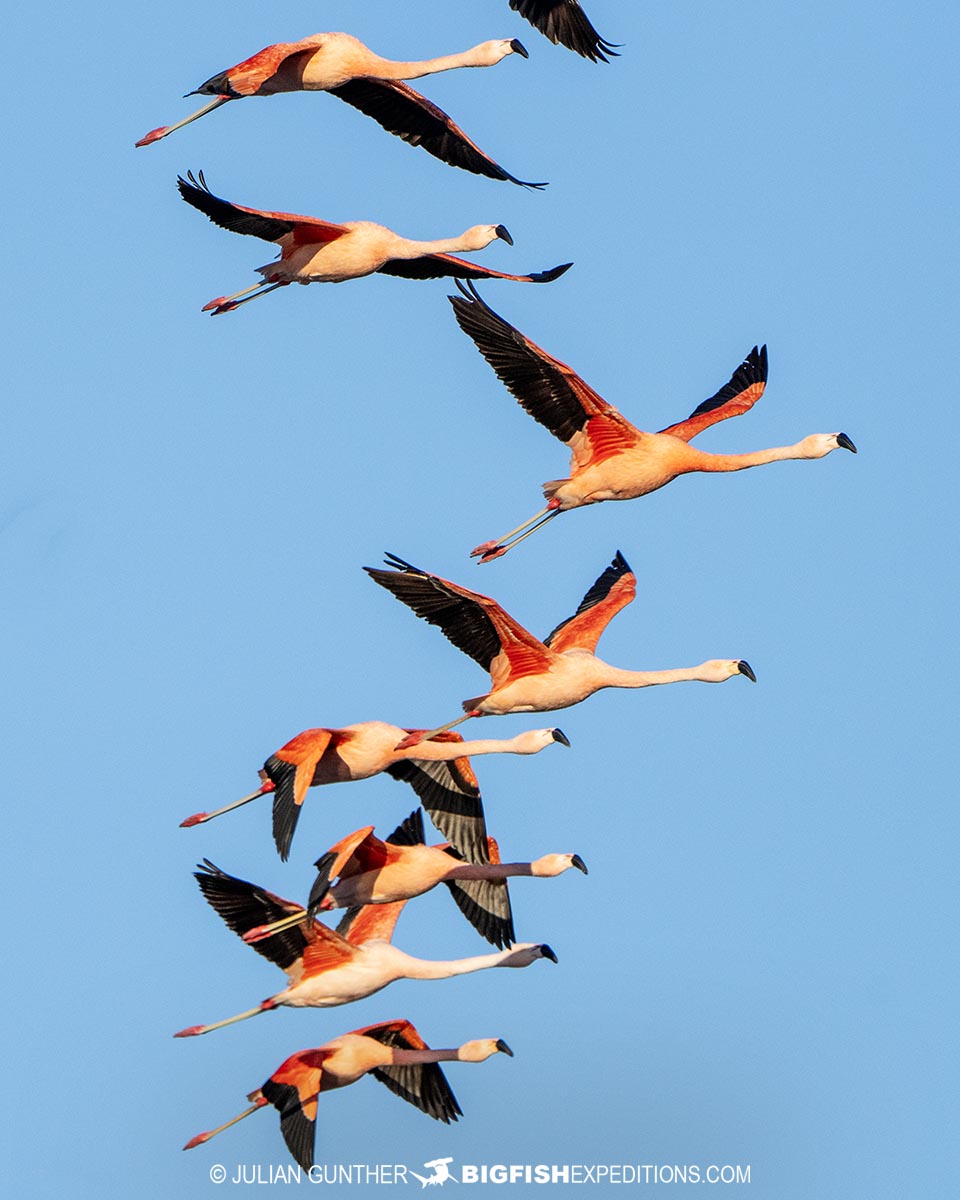
After Doradillo, we headed to Isla de Pájaros amid rumors that flamingos had been seen there recently. We searched for about five minutes before finding an enormous flock, spending a long time photographing them as they rested and flew overhead—a delightful surprise, as flamingos are typically much further south along the coast.
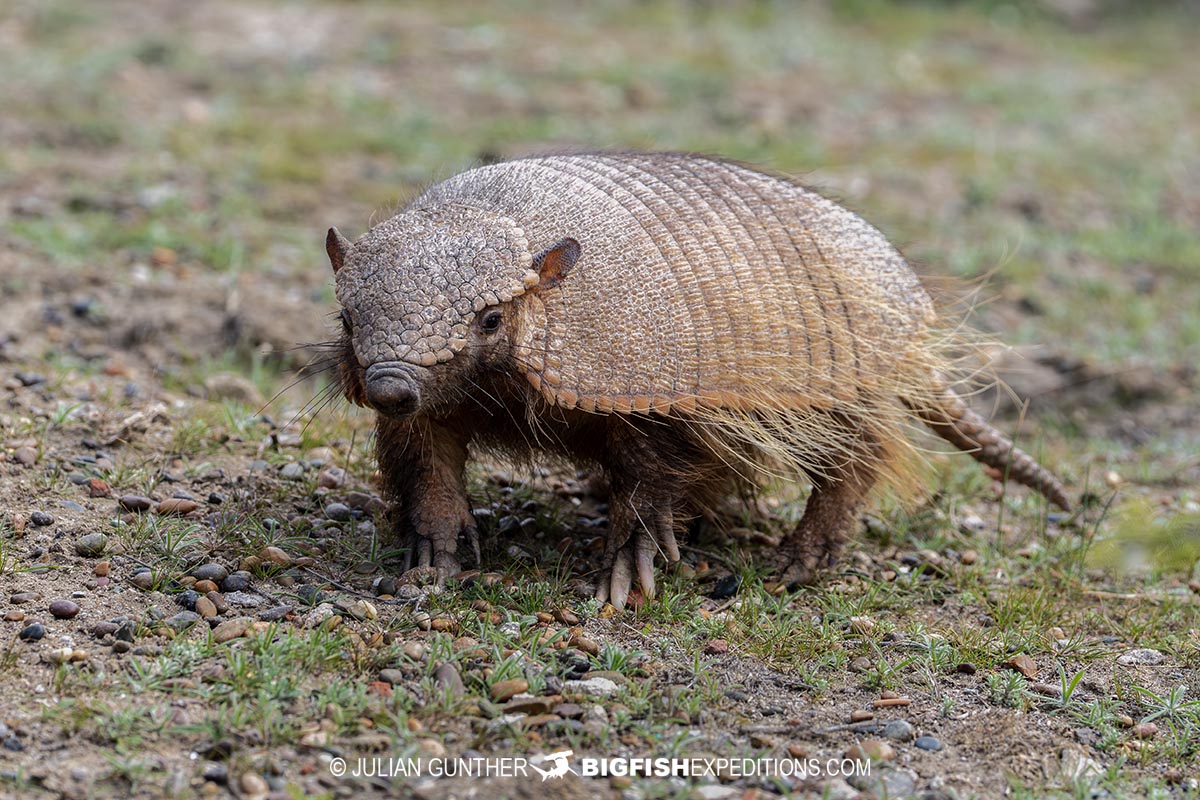
Later near Punta Norte, we photographed more sea lions and elephant seals, then encountered several plucky hairy armadillos scurrying about in comical fashion. It is hard to describe how fun it is to photograph armadillos; they move quickly, shifting from fear to curiosity in an instant, and seem brimming with personality.
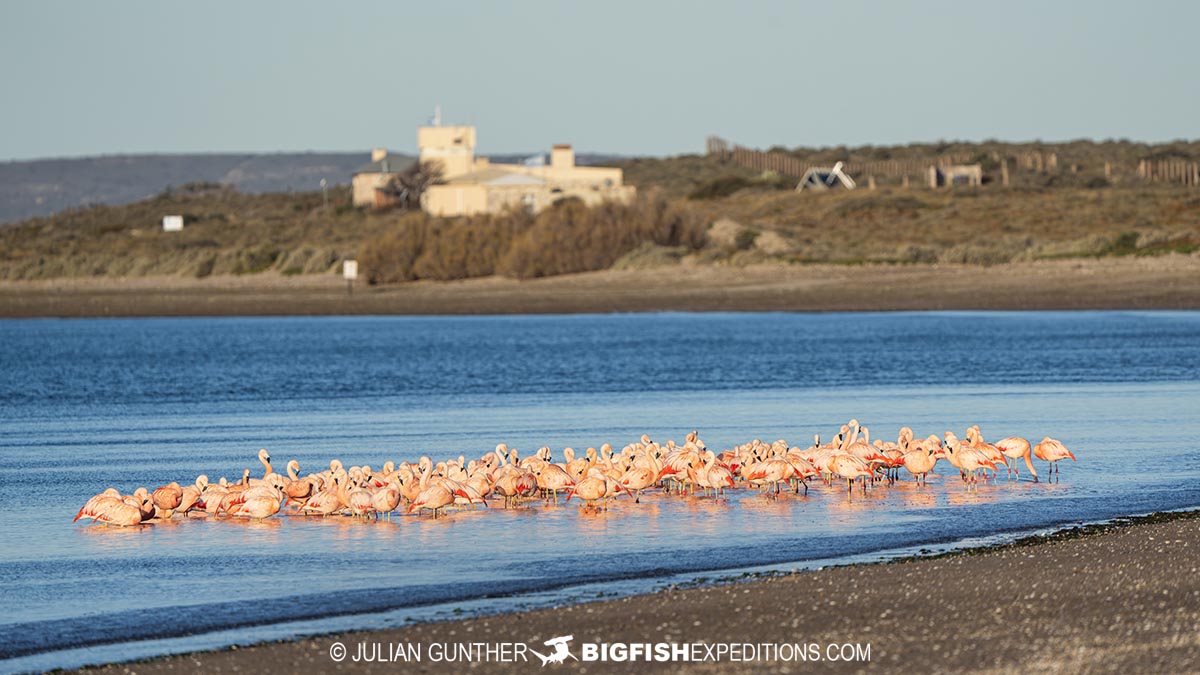
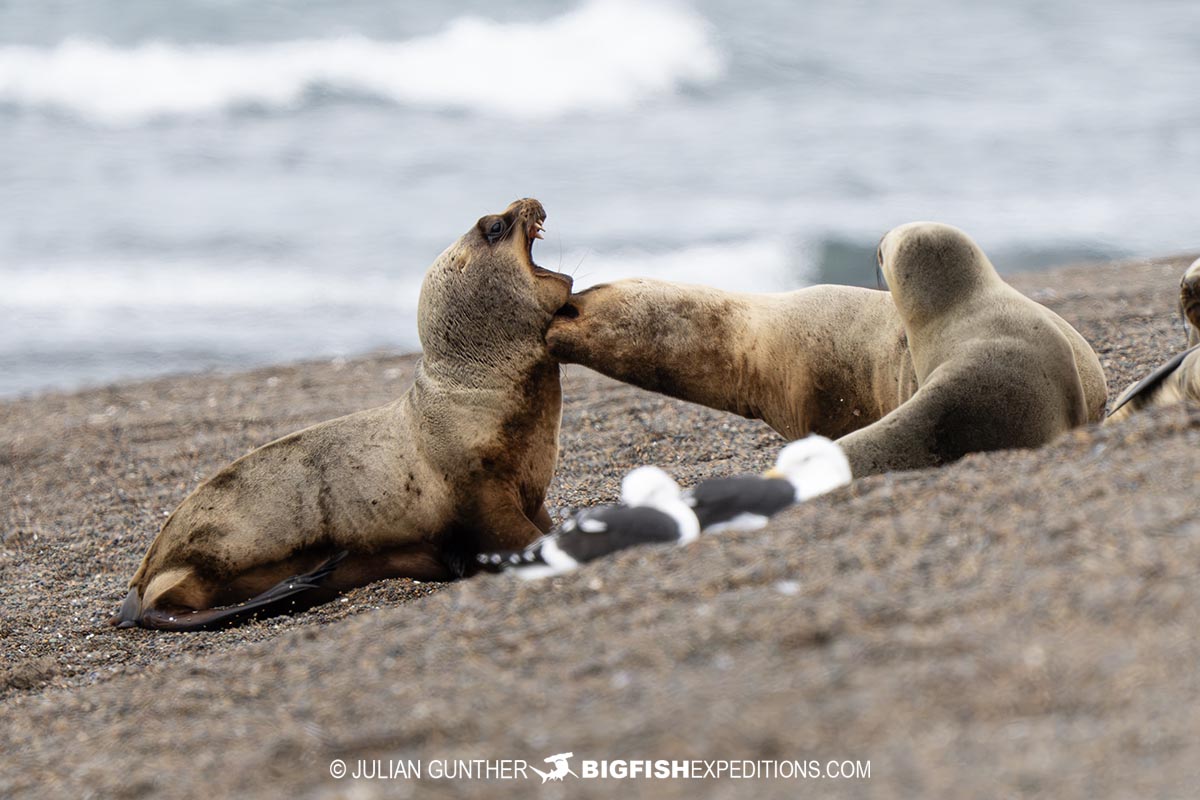
Although we enjoyed the land excursions, it was welcome news that not only would the port be open on our final day, but conditions were once again looking fantastic!
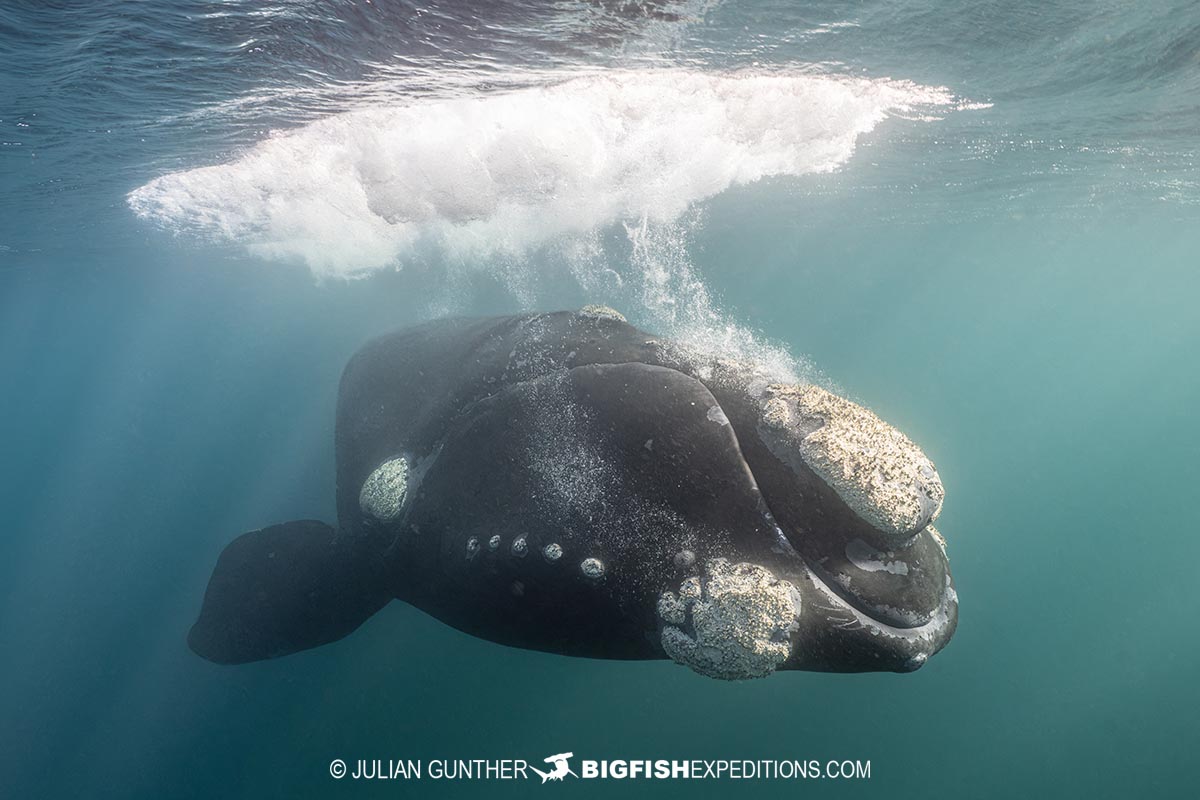
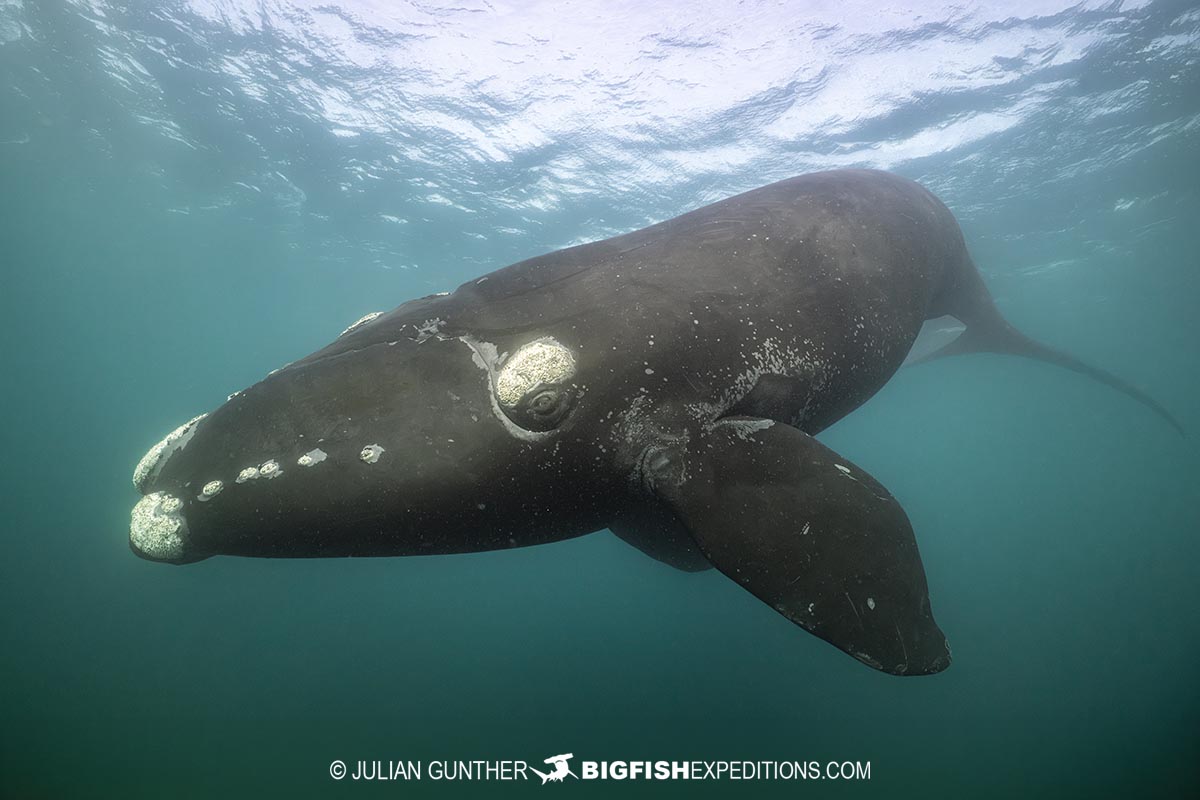
Our final day started as predicted: no wind, about two-foot (less than 1m) seas, and partly cloudy skies, with the forecast promising even calmer waters and clearing skies by late morning. Soon after departing the beach, we found a group of several juvenile whales exhibiting mixed curiosity. Two would often approach divers while a third showed hesitation, only coming in sporadically.
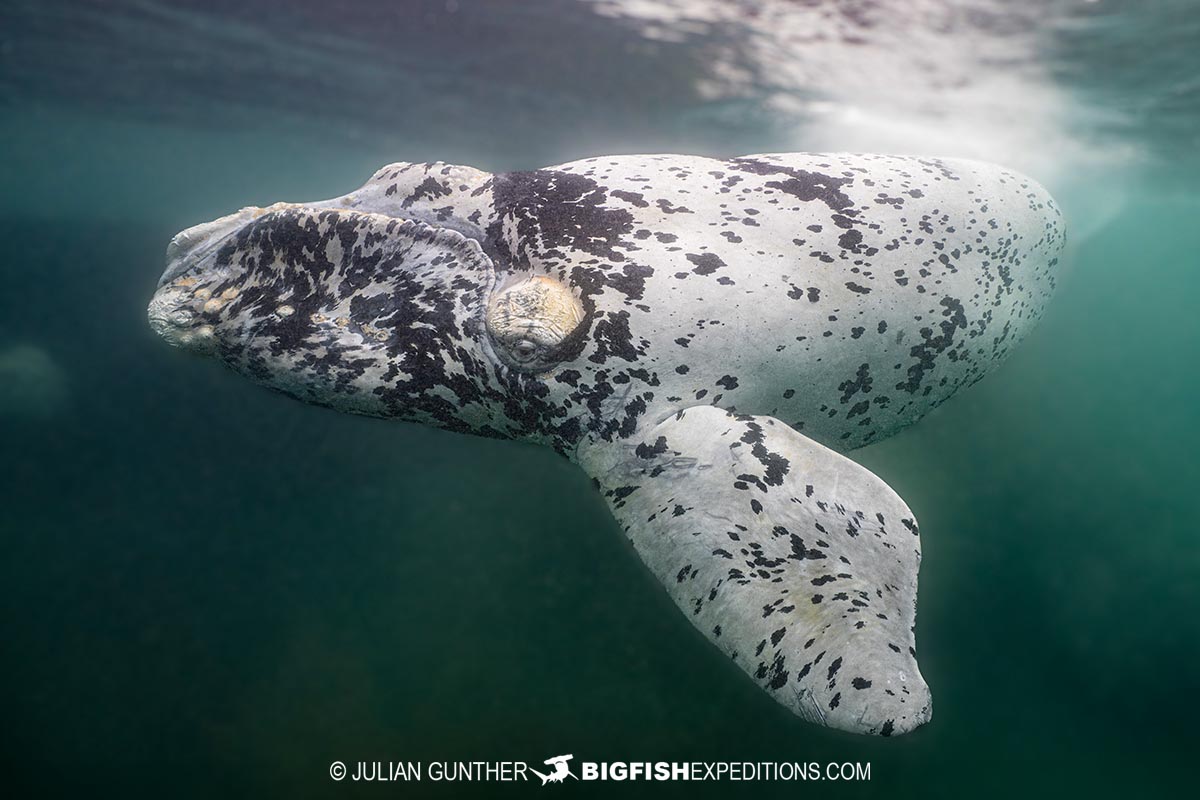
After spending about an hour with those three, we spotted a mother and white calf nearby! This was our golden opportunity, as previous sightings of the white calf had been restricted to no-dive zones or viewed from the beach. We coordinated a swift entry-and-exit plan to give everyone in-water time with the rare calf. Thankfully, by this point, everyone was well-accustomed to our workflow, and it went off like clockwork.
Everyone had the opportunity to see and film the white calf. While this mother-child pair wasn’t particularly sociable, they tolerated us just enough for everyone to capture their photos. As they slowly moved off, we let them go and went in search of other whales.
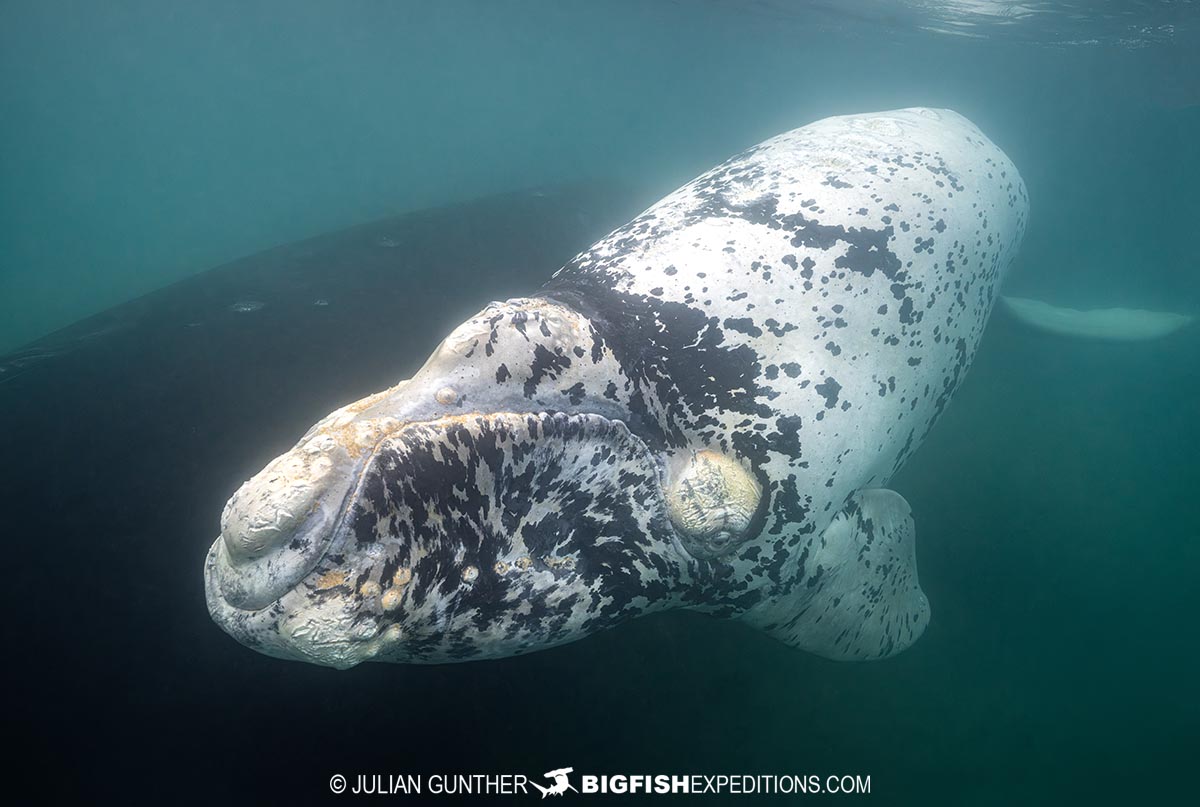
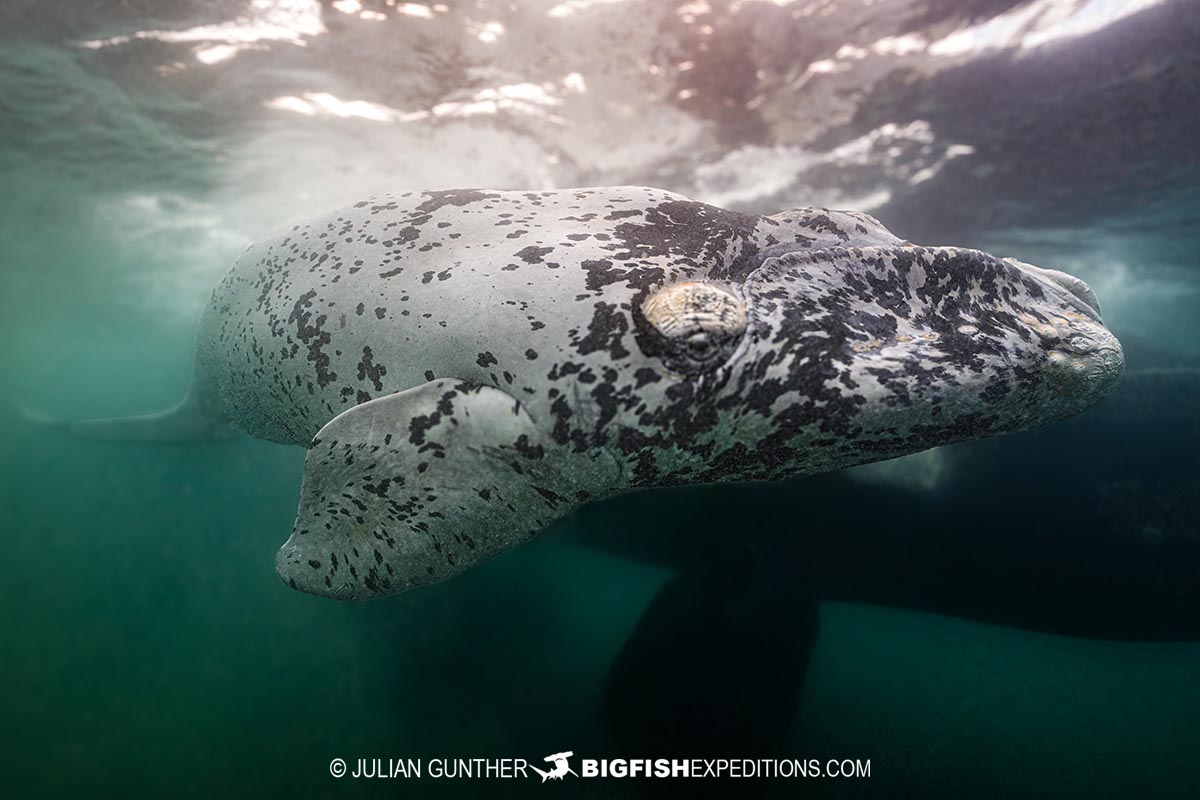
As luck would have it, we quickly found another group of exceptionally curious juveniles. We didn’t even have to approach them—they swam right up to our boat! We began our in-water rotation, and once back on board, everyone shared stories about how the whales seemed to look directly into their eyes. In comical fashion, whenever it was time to rotate photographers, the whales would follow the exiting diver back to the boat and wait at the stern for the next
entry. This behavior continued for over two hours. It would have lasted even longer, but the sun eventually dropped low on the horizon, signaling the time to close out our magical week and head back to port.
Learn more about our Southern Right Whale Pro-Photography Tours